The Five Pillars of Islam are the shahadah (declaration of faith), salah (the five daily prayers), zakat (obligatory almsgiving), sawm (fasting in Ramadan) and Hajj (pilgrimage to Makkah for those who are able). They are the core acts of worship that structure a Muslim’s spiritual life, and the Prophet Muhammad ﷺ described Islam as being built on them.
| Quick facts | Answer |
|---|---|
| What | Five foundational acts of Islamic faith and worship |
| The five | Shahadah, Salah, Zakat, Sawm, Hajj |
| When | Shahadah: once, with sincere belief, and renewed in every prayer; Salah: five times daily; Zakat: yearly, once wealth reaches the threshold (nisab) for a full lunar year; Sawm: the month of Ramadan; Hajj: once in a lifetime |
| Where | Salah, Zakat and Sawm anywhere; Hajj in Makkah and nearby sites |
| Who | Every Muslim who meets the conditions (e.g. maturity, sanity, health and means for Zakat and Hajj) |
| Source | Quran and authentic hadith (Sahih al-Bukhari 8; Sahih Muslim 8a) |
What are the Five Pillars of Islam based on?
The pillars are taken from the Quran and the Sunnah. Ibn ʿUmar (RA) narrated that the Messenger of Allah ﷺ said: Islam is based on five principles. These are the testimony of faith, prayer, Zakat, Hajj and fasting in Ramadan (Sahih al-Bukhari 8). In the Hadith of Jibril, the Prophet ﷺ defined Islam as testifying that there is no god but Allah and that Muhammad is His messenger, establishing prayer, paying Zakat, fasting Ramadan, and performing pilgrimage if one is able to bear the journey (Sahih Muslim 8a). Some narrations list the pillars in a different order, but the five are the same. This guide introduces each one and does not replace advice from a qualified scholar.
What is Shahadah, the declaration of faith?
Shahadah is the testimony that there is no deity worthy of worship except Allah and that Muhammad ﷺ is the Messenger of Allah. It is the foundation of Muslim belief and shapes a Muslim’s worship, character and everyday choices. A person enters Islam by saying it sincerely and understanding its meaning, and Muslims repeat it in every prayer.
What is Salah, and how often do Muslims pray?
Salah is the ritual prayer, performed five times a day at prescribed times. It gives a Muslim regular moments for worship, reflection and remembrance of Allah. The Quran commands: “Establish prayer, pay alms-tax, and bow down with those who bow down” (Surah Al-Baqarah 2:43). Learning the prayer means understanding its basic actions and recitations, keeping clean, and asking a reliable teacher when unsure. Read our related guide, The Importance of Salah in a Muslim’s Life.
What is Zakat, and who must pay it?
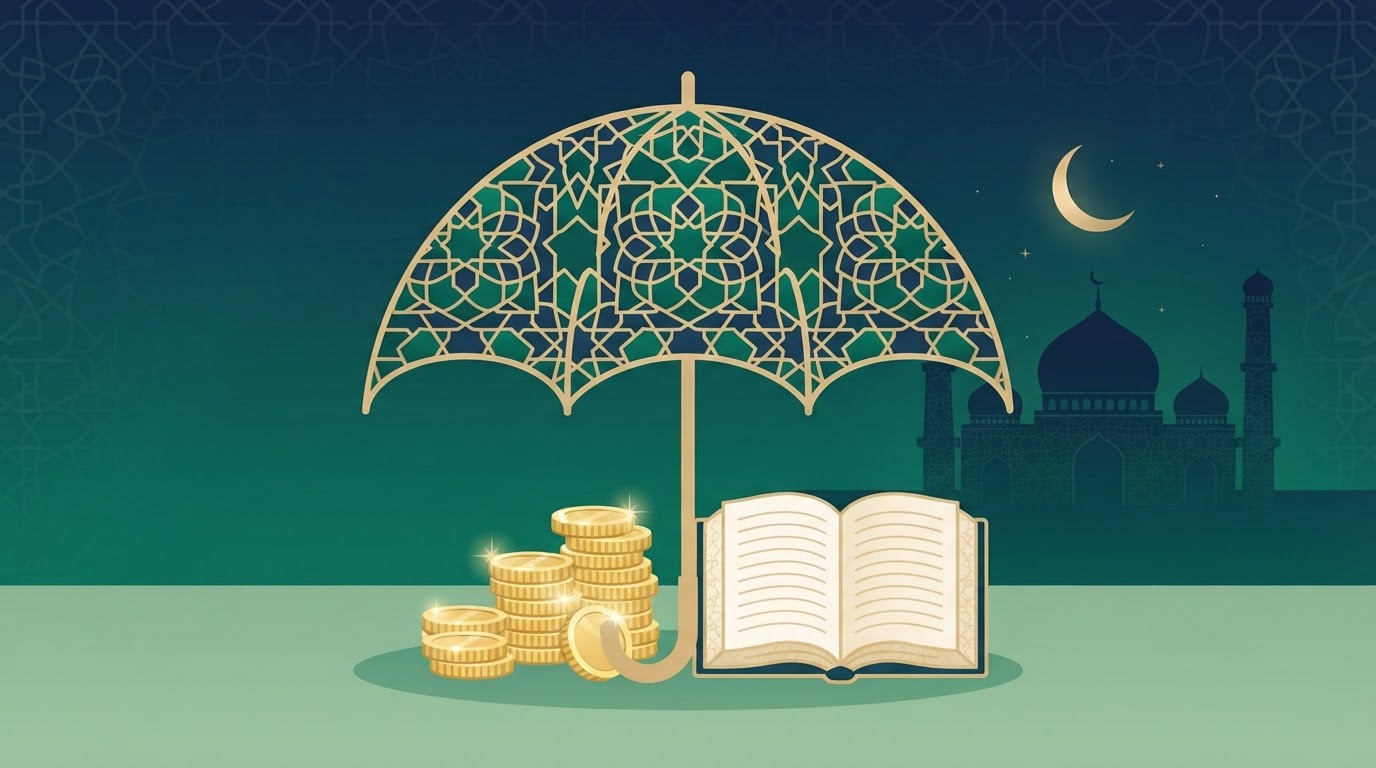
Zakat is obligatory giving, both an act of worship and a social responsibility. It is due from a Muslim whose wealth reaches the threshold (nisab) and has been held for a full lunar year, though the details depend on the type of asset. Scholars differ on some points, such as how certain kinds of wealth are valued and which recipients qualify, so calculations need care. See our Zakat for Beginners guide rather than relying on a general summary alone.
What is Sawm, and what does fasting in Ramadan involve?
Sawm is fasting during Ramadan: abstaining from food, drink and other things that break the fast from dawn until sunset. Allah says: “Fasting is prescribed for you—as it was for those before you—so perhaps you will become mindful of Allah” (Surah Al-Baqarah 2:183). Ramadan is also a time to practise patience, generosity, self-discipline and concern for others. The Quran allows those who are ill or travelling to make up an equal number of days later (Surah Al-Baqarah 2:184). Other exemptions and make-up rules vary by circumstance, so personal cases should be checked with a trusted scholar.
Who must perform Hajj, and when?
Hajj is required once in a lifetime of every Muslim who has the physical and financial ability to make the journey. The Quran states: pilgrimage to the House is an obligation owed to Allah by whoever is able (Surah Ali ʿImran 3:97). It takes place on specific days of the Islamic calendar and includes set rites. Preparation means learning the steps, planning travel responsibly and checking current official requirements. For the difference between Hajj and Umrah, see the guide linked under “Also read” below.
How do the Five Pillars work together?
The pillars connect belief with action. Together they train worship, self-discipline and generosity, and give a sense of belonging to a wider community. Shahadah is the foundation; salah, zakat, sawm and Hajj turn that belief into practice in daily life, in wealth, in the yearly cycle and once in a lifetime.
What this means for you
Muslims are at different stages of learning, so start with one pillar at a time. If you are new to the faith, begin with the meaning of the shahadah and the basics of prayer. If you already pray and fast, check whether you owe Zakat and whether you are able to plan for Hajj. For rulings on your own situation, ask a qualified local scholar.
Frequently asked questions
Which of the Five Pillars is the most important?
The shahadah is the foundation, because the other four pillars depend on faith in Allah and His Messenger ﷺ. All five are obligations for those who meet their conditions.
Does every Muslim have to perform all five pillars?
Every Muslim must testify to the faith and pray. Zakat applies only to those whose wealth reaches the nisab, and Hajj only to those with the physical and financial ability. Fasting has exemptions, such as illness or travel, with make-up days where required.
Are the Five Pillars all that Islam requires?
No. They are the foundation, not the whole of the faith. Islam also includes belief in the articles of faith, good character, honest dealings and kindness to family and neighbours. Scholars teach the pillars alongside these.
This article is educational information, not a fatwa. For individual rulings, especially on Zakat, fasting exemptions or Hajj obligations, consult a qualified local scholar.
Sources: Read the Quran with translations and study tools at Quran.com, and consult Sunnah.com for hadith, remembering that context and scholarly interpretation matter. References used: Quran 2:43; Quran 2:183-184; Quran 3:97; Sahih al-Bukhari 8; Sahih Muslim 8a.
Also read:
➤ Hajj and Umrah: Key Differences, Main Rites and How to Prepare
➤ Raising Children with Islamic Values: A Practical Family Guide
➤ Creating a Daily Dhikr Routine at Home
Follow Ruhani Dua on Facebook for short videos and reminders. / रूहानी दुआ को Facebook पर Follow करें।
Discover more from ImranJalna
Subscribe to get the latest posts sent to your email.