

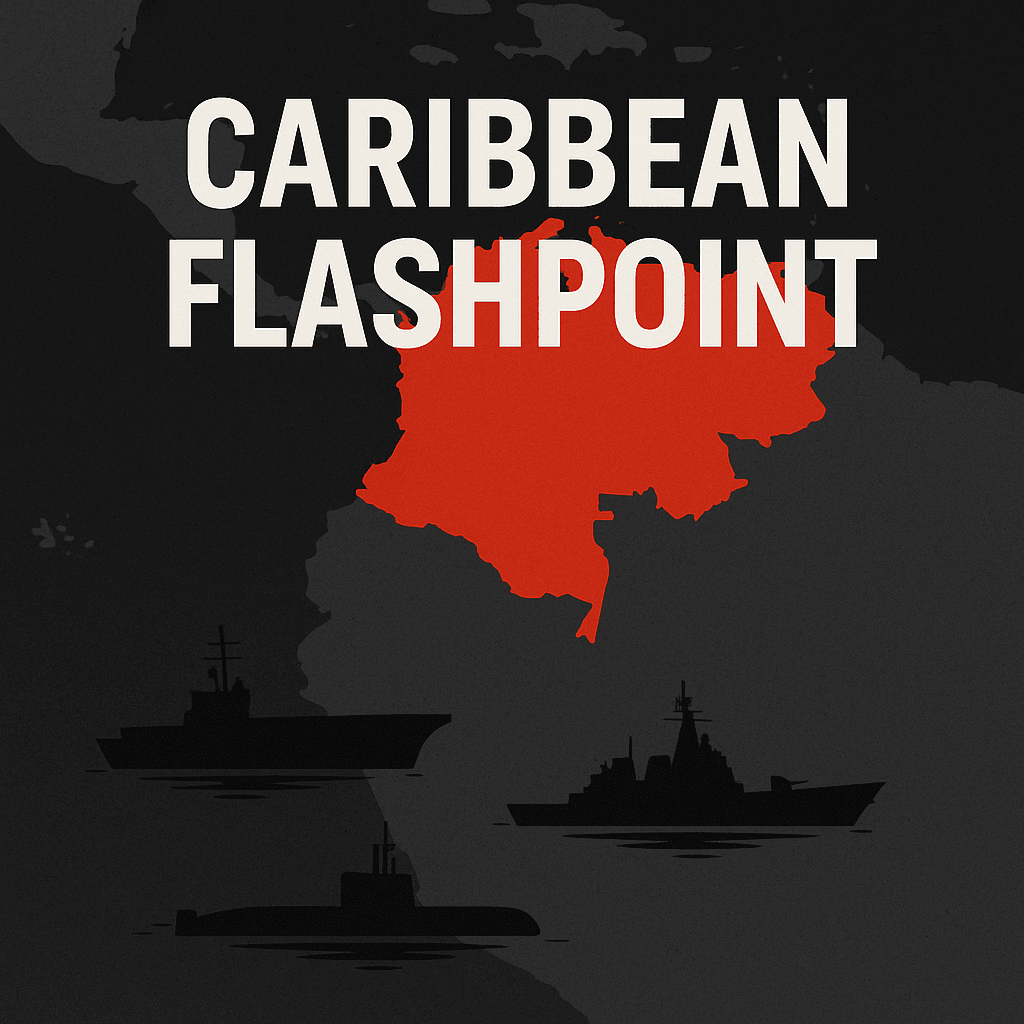
Trump’s Military Deployment in Venezuela: Escalation or Counter-Narcotics Operation?
Dateline: Washington/Caracas — September 29, 2025
The Trump administration has intensified tensions in Latin America with a new U.S. military deployment around Venezuela. The White House frames the move as a counter-narcotics effort targeting maritime smuggling networks, while Caracas condemns it as an assault on sovereignty. Analysts warn that even limited actions at sea can escalate quickly if miscalculations occur.
What We Know So Far
- Naval posture: U.S. naval assets are operating in the southern Caribbean near Venezuelan waters to interdict alleged drug-trafficking routes.
- Use of force at sea: U.S. forces have conducted interdictions and strikes on suspected smuggling vessels in recent weeks.
- Official rationale: Washington says the goal is to degrade transnational criminal networks and reduce narcotics flow to the U.S.
- Caracas response: Venezuela rejects the operations as violations of sovereignty and has heightened its military alert posture.
Legal and Diplomatic Questions
The deployment raises questions under international law, including the thresholds for using force at sea and the balance between maritime interdiction and state sovereignty. Regional governments are split: some support tougher action against smuggling, while others fear a precedent for unilateral interventions.
Strategic Stakes
Beyond law-enforcement aims, the deployment carries strategic signals. For Washington, it projects resolve in the Western Hemisphere; for Caracas, it bolsters a narrative of external pressure. The risk is a misstep that drags both sides into a wider confrontation neither publicly claims to seek.
Domestic Politics in the U.S.
At home, supporters say the operation shows firmness against crime and border threats. Critics argue it militarizes a complex problem better addressed through intelligence, law enforcement partnerships, and demand-reduction measures.
Possible Scenarios
- Managed deterrence: Continued patrols and targeted interdictions without direct clashes; pressure remains high.
- Escalation risk: A misidentified vessel or close encounter at sea leads to rapid military exchange.
- Diplomatic off-ramp: Third-party mediation narrows rules of engagement and expands information-sharing on narcotics interdiction.
Why This Matters
The deployment tests how far maritime counter-narcotics missions can go before they blur into interstate conflict. It will shape regional alignments, affect civilian shipping risk calculus, and influence future use-of-force debates in the Caribbean.

Discover more from Nayi Soch News-e-Hub
Subscribe to get the latest posts sent to your email.
































Leave a Reply