


Environmental Responsibility in Islam: A Comprehensive Approach
परिचय:
इस्लाम एक ऐसा धर्म है जो न केवल आध्यात्मिकता और ईश्वर की आराधना पर बल देता है, बल्कि मानव जीवन के हर पहलू को सहेजने और सुधारने का संदेश भी देता है। इसी क्रम में पर्यावरणीय जिम्मेदारी का भी इस्लाम में एक अहम स्थान है। कुरआन और हदीस में बार-बार यह संदेश दिया गया है कि इंसान इस धरती पर खलीफा (प्रतिनिधि) है और उसे धरती के संसाधनों का सदुपयोग करते हुए उसे संरक्षित करना चाहिए।
वर्तमान समय में, जब पर्यावरणीय संकट जैसे जलवायु परिवर्तन, वनों की कटाई, और प्रदूषण जैसे मुद्दे बढ़ते जा रहे हैं, इस्लाम का यह संदेश पहले से कहीं अधिक प्रासंगिक हो गया है। यह लेख इस्लाम में पर्यावरणीय जिम्मेदारी, इसके धार्मिक आधार और इसे आधुनिक युग में लागू करने के तरीकों पर चर्चा करेगा।
पर्यावरणीय जिम्मेदारी का इस्लामी दृष्टिकोण
1. खिलाफत का सिद्धांत:
इस्लाम के अनुसार, मनुष्य इस धरती पर अल्लाह का खलीफा है। यह जिम्मेदारी इंसान को धरती और उसके संसाधनों की रक्षा और प्रबंधन करने का आदेश देती है।
कुरआन में कहा गया है:
“वह (अल्लाह) है जिसने तुम्हें धरती पर उत्तराधिकारी बनाया।” (कुरआन 35:39)
इसका मतलब है कि इंसान को प्राकृतिक संसाधनों का उपयोग करते समय ध्यान रखना चाहिए कि वह उन्हें बर्बाद न करे और अगली पीढ़ियों के लिए उन्हें संरक्षित रखे।
2. तौहीद और प्राकृतिक संतुलन:
इस्लाम में तौहीद (अल्लाह की एकता) का सिद्धांत न केवल ईश्वर की पूजा में, बल्कि उसकी बनाई सृष्टि के सम्मान में भी लागू होता है।
कुरआन में अल्लाह ने सृष्टि के संतुलन का उल्लेख किया है:
“और उसने हर चीज को माप के साथ बनाया है।” (कुरआन 54:49)
यह संतुलन पर्यावरण में भी झलकता है, जैसे जंगल, पानी, हवा और जीव-जंतुओं के बीच का तालमेल। अगर इंसान इस संतुलन को बिगाड़ता है, तो वह ईश्वर की व्यवस्था का उल्लंघन करता है।
3. फितरा (प्राकृतिक स्थिति):
इस्लाम के अनुसार, प्रकृति अल्लाह की बनाई हुई है और यह उसकी एक निशानी है। इंसान का कर्तव्य है कि वह इसे उसकी मूल स्थिति (फितरा) में बनाए रखे।

पेड़ों को काटने, नदियों को प्रदूषित करने या जानवरों के साथ दुर्व्यवहार करने से न केवल प्रकृति को नुकसान होता है, बल्कि यह अल्लाह की निशानियों का अनादर भी है।
इस्लामी शिक्षाएं और पर्यावरण संरक्षण
1. पानी का संरक्षण:
पैगंबर मुहम्मद ﷺ ने पानी की बर्बादी से सख्ती से मना किया, यहां तक कि वज़ू करते समय भी।
हदीस में आता है:
“यहां तक कि अगर तुम बहती नदी के पास हो, तो भी पानी बर्बाद मत करो।” (इब्न माजा)
आज के समय में जल संकट और पानी की बर्बादी को देखते हुए यह शिक्षा अत्यंत प्रासंगिक है।
2. पेड़ लगाने का महत्व:
पैगंबर ﷺ ने पेड़ लगाने को एक पुण्य कार्य बताया।
उन्होंने कहा:
“अगर कोई मुसलमान एक पेड़ लगाता है और उससे कोई इंसान, जानवर, या पक्षी खाता है, तो यह उसके लिए सदक़ा है।” (सहीह बुखारी)
पेड़ लगाने से न केवल पर्यावरणीय संतुलन बना रहता है, बल्कि यह धरती की सुंदरता और उसकी उपयोगिता को भी बढ़ाता है।
3. जानवरों और पर्यावरण के साथ व्यवहार:
इस्लाम में जानवरों के साथ क्रूरता को सख्त मना किया गया है।
हदीस में आता है:
“एक महिला को इस कारण जहन्नम में भेजा गया क्योंकि उसने एक बिल्ली को भूखा रखा और उसे मरने दिया।” (सहीह मुस्लिम)
इसी प्रकार, शिकार और खेती में भी सावधानी बरतने की हिदायत दी गई है।
4. सादगी और संतुलन:
इस्लाम ने जीवन में सादगी और संसाधनों के उचित उपयोग पर बल दिया है। कुरआन में कहा गया है:
“और खाओ और पियो, लेकिन फिजूलखर्ची मत करो।” (कुरआन 7:31)
यह आयत हमें सिखाती है कि भोजन, पानी, ऊर्जा और अन्य संसाधनों का अत्यधिक उपयोग करने से बचना चाहिए।
आधुनिक युग में इस्लामी पर्यावरणीय जिम्मेदारी
1. जलवायु परिवर्तन से लड़ाई:
इस्लामी शिक्षाएं जलवायु परिवर्तन के खिलाफ काम करने के लिए एक मजबूत आधार प्रदान करती हैं। मुस्लिम समुदाय सौर ऊर्जा, पानी की बचत, और वृक्षारोपण जैसी पहल में सक्रिय भूमिका निभा सकते हैं।
2. ग्रीन मस्जिदें:
कई देशों में अब पर्यावरण-अनुकूल मस्जिदें बनाई जा रही हैं, जो सौर ऊर्जा का उपयोग करती हैं और पानी की खपत को कम करती हैं। यह पहल इस्लाम की शिक्षाओं को आधुनिक दुनिया में लागू करने का एक उत्कृष्ट उदाहरण है।
3. सामुदायिक पहल:
इस्लामी संगठनों को स्थानीय स्तर पर स्वच्छता अभियानों, कचरे के पुनर्चक्रण, और वनों की कटाई रोकने के प्रयासों में भाग लेना चाहिए।
4. शिक्षा और जागरूकता:
इस्लामी स्कूल और मदरसे पर्यावरणीय जिम्मेदारी को पाठ्यक्रम में शामिल कर सकते हैं। कुरआन और हदीस की शिक्षाओं के माध्यम से बच्चों को प्रकृति के प्रति जिम्मेदार बनाया जा सकता है।
इस्लाम और पर्यावरणीय संकट: चुनौतियां और समाधान
1. चुनौतियां:
औद्योगिक प्रदूषण: मुस्लिम देशों में भी कारखानों और वाहनों से निकलने वाले प्रदूषण का स्तर बढ़ रहा है।
जल संकट: कई इस्लामी देशों में पानी की कमी एक गंभीर समस्या है।
वनों की कटाई: शहरीकरण के कारण जंगल तेजी से खत्म हो रहे हैं।
2. समाधान:
इस्लामी सिद्धांतों को सरकारी नीतियों में शामिल किया जा सकता है, जैसे पर्यावरण-अनुकूल कानून बनाना।
मस्जिदों और धार्मिक स्थानों से पर्यावरणीय जागरूकता अभियान चलाए जा सकते हैं।
ज़कात और सदक़ा का उपयोग पर्यावरणीय परियोजनाओं के लिए किया जा सकता है।
इस्लामी परिप्रेक्ष्य से वैश्विक समाधान
1. सतत विकास लक्ष्य (SDGs):
इस्लाम के सिद्धांत संयुक्त राष्ट्र के सतत विकास लक्ष्यों (SDGs) के साथ मेल खाते हैं। यह गरीबों की मदद करने, पानी और ऊर्जा के संरक्षण, और पर्यावरण की रक्षा पर बल देता है।
2. अंतरराष्ट्रीय सहयोग:
मुस्लिम देशों को पर्यावरणीय संकट से निपटने के लिए वैश्विक मंच पर सक्रिय भूमिका निभानी चाहिए।
3. धार्मिक संवाद:
इस्लाम के पर्यावरणीय संदेश को अन्य धर्मों के साथ साझा करके सामूहिक रूप से पृथ्वी की रक्षा के प्रयास किए जा सकते हैं।
निष्कर्ष
इस्लाम में पर्यावरणीय जिम्मेदारी न केवल एक धार्मिक आदेश है, बल्कि यह इंसान और प्रकृति के बीच एक गहरा संबंध स्थापित करता है। आज, जब पर्यावरण संकट एक वैश्विक चुनौती बन चुका है, इस्लाम की शिक्षाएं हमें एक स्थायी और जिम्मेदार जीवन जीने की प्रेरणा देती हैं।
मुसलमानों का यह कर्तव्य है कि वे अल्लाह की दी गई इस अमानत (धरती) की रक्षा करें और इसे आने वाली पीढ़ियों के लिए संरक्षित रखें। पेड़ लगाना, पानी बचाना, और सादगी से जीवन जीना जैसे कार्य इस्लाम की शिक्षाओं को आधुनिक युग में लागू करने के सबसे सरल और प्रभावी तरीके हैं।
अल्लाह की बनाई हुई सृष्टि की देखभाल करना हर मुसलमान का दायित्व है। कुरआन और हदीस की शिक्षाओं को अपनाकर हम न केवल एक बेहतर पर्यावरण बना सकते हैं, बल्कि अल्लाह की कृपा भी प्राप्त कर सकते हैं।
- Saudi Islamic Affairs Ministry Holds 266 Outreach Activities at Quba Mosque
 Saudi Arabia’s Ministry of Islamic Affairs conducted 266 religious outreach activities at Quba Mosque, promoting Islamic values, sound beliefs, moderation and tolerance, the Saudi Press Agency reports.
- Centre Extends Ban on Islamic Research Foundation for Five More Years Under UAPA
 The Ministry of Home Affairs has issued a gazette notification extending the ban on Zakir Naik’s Islamic Research Foundation by five years under the Unlawful Activities (Prevention) Act.
- Pakistan’s Sukuk Issuance Doubles to $15.8 Billion in 2026 as Government Courts Foreign Investors
 Pakistan issued Rs4.4 trillion ($15.8 billion) of Sukuk in 2026, up 113%, taking cumulative issuance to about Rs10 trillion. The finance minister says foreign investment is still weak.
- UAE’s New Islamic Finance Regulation: What Changes for Islamic Banks, Takaful and Customers
 The UAE Central Bank’s Regulation No. 1/2026 sets common rules for murabaha, ijarah, musharaka, takaful and more. Islamic banks may need to review their contracts and Shariah governance.
- Hajj 2027: Saudi Arabia Secures 1.3 Million Beds for Pilgrims, Removes 400 Unsafe Buildings
 Saudi Arabia has licensed housing for more than 1.3 million Hujjaj for Hajj 2027 (1448 AH) and dropped about 400 buildings that failed safety checks. India’s 2027 quota is 1,75,025.
- Is a Savings Account Halal? What to Do With Bank Interest (Islamic Ruling)
 Is a savings account halal? Is bank interest riba? A clear, sourced answer, plus a simple 4-step plan for keeping your money clean, even where there is no Islamic bank.
- Al-Farabi (Alpharabius): The Second Teacher Who Built Philosophy in Arabic
 Al-Farabi (c. 870–950) was the philosopher called “the Second Teacher” after Aristotle. He wrote on logic, music and the ideal city, and shaped Ibn Sina, Ibn Rushd and Maimonides.
- First Ramadan as a New Muslim? A Practical Guide to Fasting, Suhoor and Support
 A beginner-friendly first Ramadan guide covering fasting hours, suhoor, iftar, prayer, health exceptions and finding a supportive Muslim community.
- Ajmer Railway Expects 1 Lakh Passengers a Day During the 815th Urs
 Ajmer railway station expects up to one lakh (100,000) passengers a day during the 815th Urs of Khwaja Gharib Nawaz (RA). Holding areas, separate entry for reserved and unreserved passengers, extra ticket counters and 24-hour CCTV monitoring are in place.
- The Silver Gate at Ajmer Dargah That Opens Just 4 Times a Year
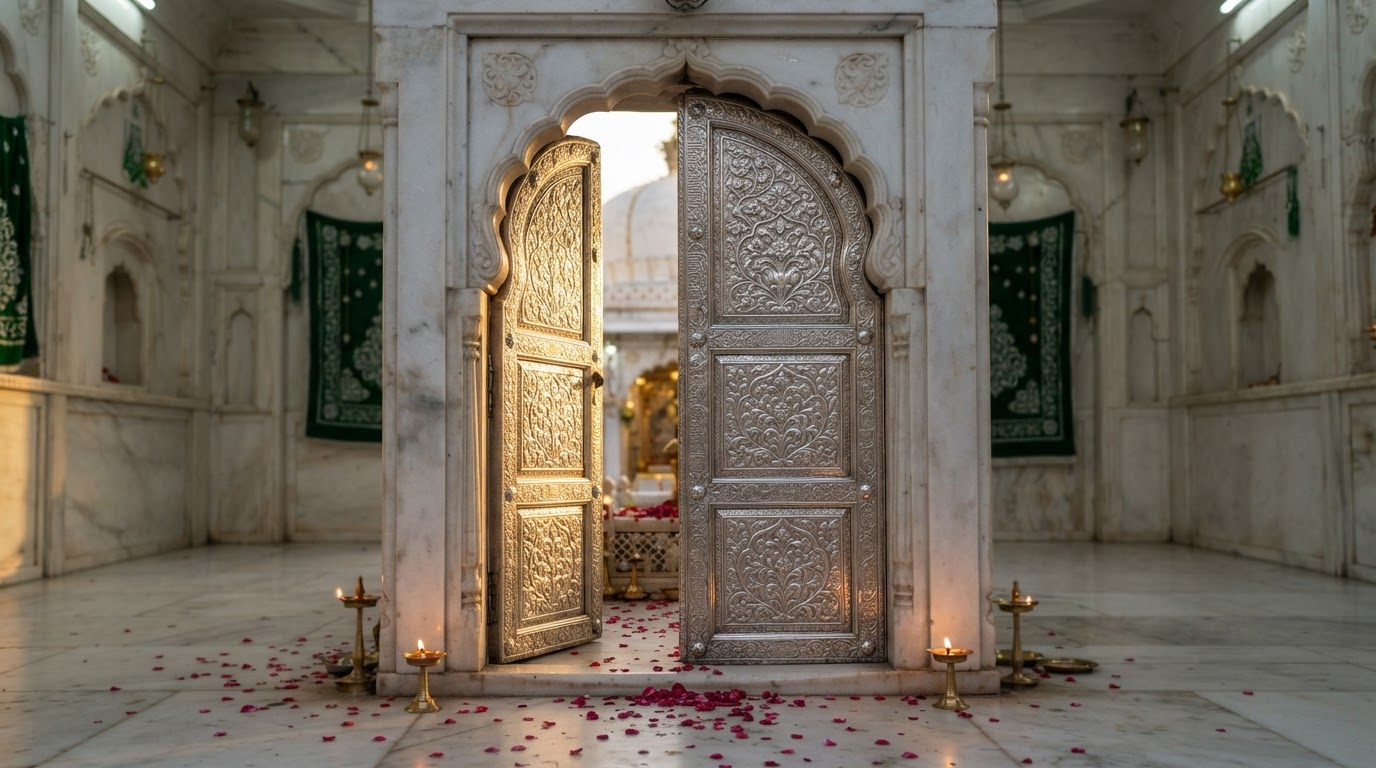
 For most of the year, the silver Jannati Darwaza at Ajmer Dargah stays locked. It opens on just four occasions, and pilgrims queue from before dawn to walk through it. Here is its history, the seven-walk tradition, what Islam teaches about Jannah, and when it opens for the 815th Urs in December 2026.
- Daily Reader Prompt: What Small Act of Sadaqah Did You Do Recently?
 🔊 Listen to articleSpeed 0.75×1×1.25×1.5×2×Computer-generated English audioSadaqah is not only money. In a well-known hadith recorded by Imam al-Bukhari (Hadith 2989), the Prophet Muhammad ﷺ taught that charity is due for every joint of the body each day the sun rises. He listed simple acts among them: settling a dispute justly, helping someone with their… Read more: Daily Reader Prompt: What Small Act of Sadaqah Did You Do Recently?
- Halal Investing for Beginners: How to Grow Your Savings Without Riba
 A simple step-by-step guide to halal investing: which investments are permissible, the 30-30-5 screening rule, purification of dividends, and Zakat on shares.
- Mona Abul-Fadl’s Monograph Offers a Qur’anic Answer to Modernity’s Moral Crisis
 Mona Abul-Fadl’s monograph “Agency, Rationality, and Morality” argues that secular modernity has left man alienated, and presents the Qur’anic view of man as an honoured vicegerent of Allah.
- Why Do Islamic Banks Favour Debt Over Partnership? New Paper Offers Answer and Reform Plan
 A paper in a King Abdulaziz University journal says debt dominance in Islamic banking stems from fractional reserve money creation, and proposes reform. A review also questions its plan.
- Ibn Rushd (Averroes): The Cordoba Judge Who Argued Reason and Revelation AgreeIbn Rushd (Averroes, 1126–1198) was a Cordoba-born judge, physician and philosopher whose Aristotle commentaries shaped Europe and whose Decisive Treatise defended reasoned study of the world.
- Muslim Parents’ Guide to Online Safety: Protecting Children Without Breaking Trust
 Practical online safety guidance for Muslim parents: privacy settings, cyberbullying, scams, screen habits and respectful family conversations.
- The Flag That Opens the Ajmer Urs, and the Family That Carries It
 On 5 December 2026 a family from Bhilwara will raise the Urs flag over the Buland Darwaza of Ajmer Dargah, a duty it has carried for nearly a century. Here is the story of the gate, the family and the ceremony that opens the 815th Urs of Khwaja Gharib Nawaz (RA).
- Daily Reader Prompt: Who Has Been Most Beneficial to You?
 🔊 Listen to articleSpeed 0.75×1×1.25×1.5×2×Computer-generated English audio The Prophet Muhammad ﷺ said, “The best of people are those who are most beneficial to others.” This hadith is recorded by Imam al-Tabarani in al-Mu’jam al-Awsat, and Shaykh al-Albani graded it as hasan (fair). It reminds us that worth before Allah is measured by how much good… Read more: Daily Reader Prompt: Who Has Been Most Beneficial to You?
- Ibn Battuta: The Moroccan Traveller Who Journeyed 75,000 Miles for KnowledgeIbn Battuta (1304–c.1368/69) of Tangier left home at 21 for Hajj and travelled about 75,000 miles. His Rihla remains a key eyewitness source on the 14th-century Muslim world.
- Best Blankets and Comforters in India for Winter 2026: 7 Warm Picks for Family Nights and Fajr
 Seven well-rated blankets and comforters on Amazon India for winter 2026 — from light 200 GSM comforters to heavy 650 GSM mink blankets — with prices, sizes and tips for families.
- No Masjid Nearby? How to Find a Suitable Place to Pray Salah
 No mosque nearby? Learn how to identify a clean prayer space, determine Qibla, plan around prayer times and respect local rules.
- Daily Reader Prompt: Which Everyday Blessing Do You Often Overlook?
 🔊 Listen to articleSpeed 0.75×1×1.25×1.5×2×Computer-generated English audio Gratitude is easy to talk about and easy to forget. The Prophet Muhammad ﷺ said, “Whoever does not thank people does not thank Allah” (Abu Dawud 4811; Tirmidhi 1954). Thankfulness begins with the ordinary things we pass by every day: clean water, a working phone charger, a family… Read more: Daily Reader Prompt: Which Everyday Blessing Do You Often Overlook?
- الزہراوی: قرطبہ کا وہ سرجن جس نے یورپ کو جراحی سکھائی
 ابوالقاسم الزہراوی (تقریباً 936–1013ء) اندلس کے عظیم طبیب اور جراح تھے۔ ان کی کتاب “التصریف” کی تیسویں جلد نے صدیوں تک یورپ کے سرجنوں کی رہنمائی کی۔
- अल-ज़हरावी: कुर्तुबा के वो सर्जन जिन्होंने यूरोप को सर्जरी सिखाईअबुल क़ासिम अल-ज़हरावी (c. 936–1013 ई.) अंदलुस के मशहूर तबीब और सर्जन थे। उनकी किताब “किताब अल-तसरीफ़” की 30वीं जिल्द ने सदियों तक यूरोप को सर्जरी सिखाई।
Follow Ruhani Dua on Facebook for short videos and reminders. / रूहानी दुआ को Facebook पर Follow करें।
Discover more from ImranJalna
Subscribe to get the latest posts sent to your email.





Leave a Reply