

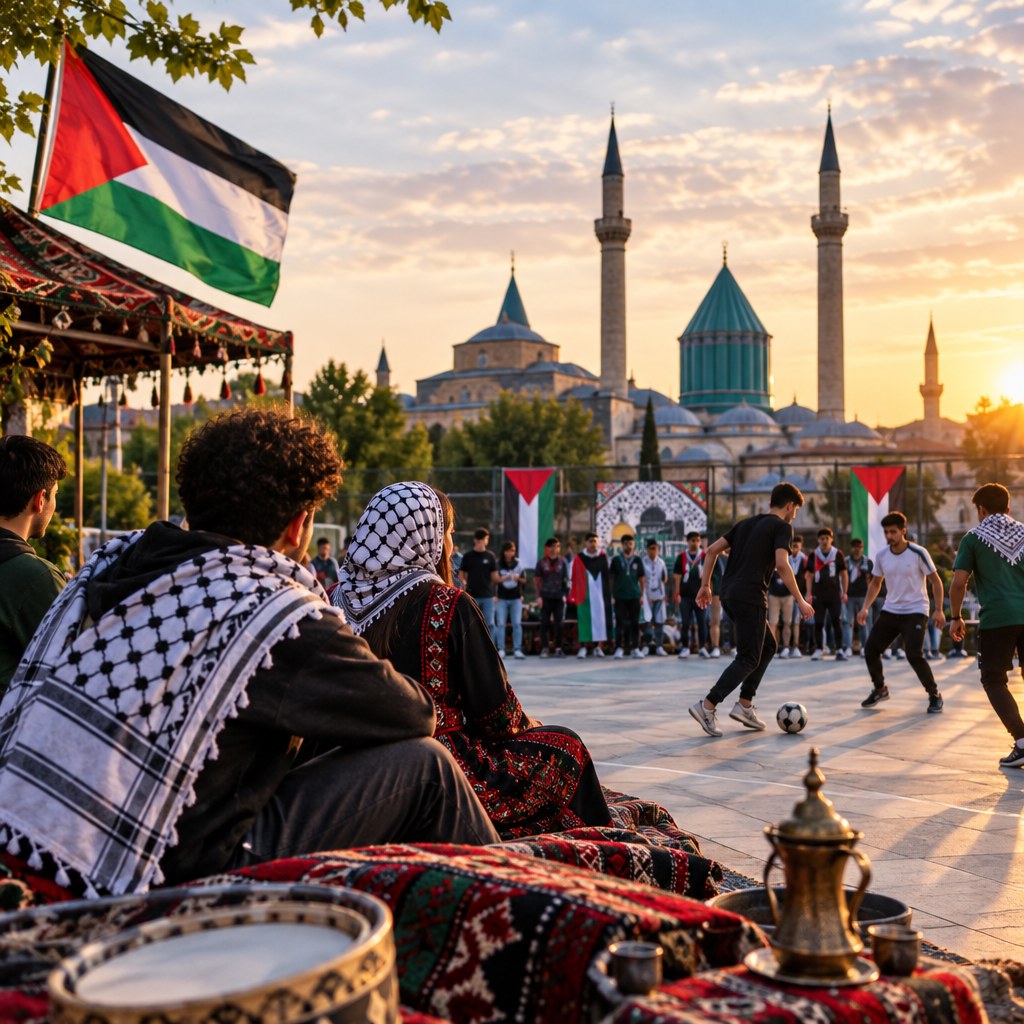
GAZA: Nearly a year after the ceasefire announced in October 2025, Gaza is still in a severe humanitarian crisis: displaced families live in flood-prone camps and damaged buildings, food assistance is under funding pressure, and winter is adding new dangers. A United Nations situation report warned that food aid is expected to shrink and that hundreds of thousands of people face heightened winter risks.
| Quick facts | Details |
|---|---|
| What | Continuing humanitarian crisis in Gaza: displacement, hunger, unsafe shelter and winter flooding risk |
| When | Nearly one year after the ceasefire announced in October 2025; winter 2026–27 |
| Where | Gaza, including displacement sites and damaged buildings |
| Who is affected | About 279,000 people in flood-prone sites or unsafe buildings (UN OCHA) |
| Main risks | Flooding, cold, collapsing buildings, reduced food parcels and hot meals, poor sanitation |
| How to help | Give through verified, registered humanitarian organisations |
What is the humanitarian situation in Gaza one year after the ceasefire?
Stopping large-scale fighting has not produced recovery. Displacement, damaged infrastructure, food insecurity and unsafe shelter continue to affect civilians. A UN humanitarian situation report published on October 5 warned that food assistance is expected to shrink because of funding shortfalls.
Why is winter so dangerous for displaced families in Gaza?
UN OCHA said about 279,000 people are living in flood-prone displacement sites or unsafe buildings, and assessments identified hundreds of sites at risk of flooding as the rainy season approaches. Many families have already spent long periods in temporary shelters, so cold and heavy rain are a serious humanitarian concern rather than a seasonal inconvenience.
Flooding can contaminate living areas, damage tents and increase exposure to cold. Poor drainage and damaged sanitation systems add health risks, and children, older people and those with chronic illnesses are especially vulnerable.
How is food assistance affected by funding shortages?
The UN report warned that daily hot-meal production and household food parcel distribution could decline from October because of funding shortages. In practice, a funding gap can mean fewer hot meals, smaller parcels, reduced shelter support or delayed repairs.
Humanitarian organisations continue to provide meals and other help, but access restrictions, damaged infrastructure and shortages complicate their work. Agencies must also spend money on logistics, staff safety, transport and storage.
Why are people still living in unsafe buildings?
Displaced families have few alternatives. OCHA reported that thousands of damaged buildings require full or partial demolition, yet many remain inhabited. This adds a risk of structural collapse to the continuing effects of conflict, and unexploded ordnance creates further hazards.
What do casualty figures since the ceasefire show?
OCHA, citing Gaza’s Ministry of Health, reported continuing deaths and injuries since the ceasefire agreement. Figures can be revised as bodies are recovered and identities confirmed, so any casualty number should be attributed to its source and date.
Why does a ceasefire not automatically bring recovery?
Reduced fighting is only the first stage. Families need safe homes, working water systems, electricity, schools, hospitals and livelihoods, and many of these systems need extensive repair or rebuilding. Satellite imagery published in 2026 shows widespread damage in entire neighbourhoods, with tent camps visible along parts of the coastline. Images cannot capture every human consequence, but they help explain why a return to normal life has been so difficult.
Rebuilding also depends on more than money. Construction materials, heavy machinery, border access, security arrangements and political agreements all affect the pace of work, and debates over Gaza’s future governance shape long-term planning.
What are humanitarian organisations asking for?
Islamic Relief Worldwide, marking one year since the ceasefire, said families remain unable to rebuild and that restrictions on materials, machinery and fuel continue to affect living conditions. The organisation says it and its local partners are continuing food and other programmes despite operational challenges.
Long-term displacement also disrupts schooling, healthcare, family income and children’s sense of stability. Humanitarian reporting increasingly looks beyond emergency survival to the absence of conditions for sustainable recovery.
What does Islam teach about helping those who suffer?
Gaza is a major concern for Muslims worldwide, generating charity campaigns, diplomatic action and public demonstrations. Also read our coverage of the joint position of eight Muslim-majority nations on Gaza and Palestinian statehood. Islamic sources describe hardship as a trial and care for the afflicted as a duty.
Surah Al-Baqarah 2:155 – “And We will surely test you with something of fear and hunger and a loss of wealth and lives and fruits, but give good tidings to the patient.”
Surah Al-Insan 76:8–9 – The righteous “give food in spite of love for it to the needy, the orphan, and the captive”, saying, “We feed you only for the face of Allah. We wish not from you reward or gratitude.”
The Prophet Muhammad ﷺ said, as narrated by An-Nu’man bin Bashir (RA): “You see the believers as regards their being merciful among themselves and showing love among themselves and being kind, resembling one body, so that, if any part of the body is not well then the whole body shares the sleeplessness and fever with it.” (Sahih al-Bukhari 6011; also Sahih Muslim 2586a).
The Prophet ﷺ also said, as reported by Abu Hurairah (RA), that whoever relieves a believer of one of the distresses of this world, Allah will relieve him of one of the distresses of the Day of Resurrection (Sahih Muslim 2699a).
What this means for you
Donors should give through verified, registered organisations and use official donation pages. Be cautious of emotional appeals with no registration details or transparent reporting, and of unverified social-media fundraising links. Fraud diverts money from genuine relief and exploits public compassion. Scholars generally agree that giving to relieve hunger and hardship is praiseworthy; they differ on details such as whether particular funds qualify as zakat, so donors may wish to ask a trusted scholar about their own situation.
What should we watch through the winter?
Key indicators include the volume of aid entering Gaza, shelter availability, food-assistance levels, repair of water and health infrastructure, and whether displaced families can move into safer accommodation. Sustained reporting should also track schools reopening, hospital capacity, water access and nutrition rather than political negotiations alone. The anniversary of a ceasefire is therefore a test of whether reduced fighting has become meaningful civilian recovery.
Frequently asked questions
How many people in Gaza face winter flooding risks?
UN OCHA said about 279,000 people are living in flood-prone displacement sites or unsafe buildings, and hundreds of displacement sites were identified as at risk of flooding.
Why is food aid in Gaza expected to decline?
The UN report warned that funding shortages could reduce daily hot-meal production and household food parcel distribution, while access restrictions and damaged infrastructure make delivery harder.
How can Muslims help Gaza safely?
Donate through verified humanitarian organisations with official donation pages, registration details and transparent reporting, and avoid unverified social-media fundraising links.
Sources: UN OCHA; Islamic Relief Worldwide; Quran.com – Al-Baqarah 2:155; Quran.com – Al-Insan 76:8–9; Sahih al-Bukhari 6011; Sahih Muslim 2586a; Sahih Muslim 2699a.
Follow Ruhani Dua on Facebook for short videos and reminders. / रूहानी दुआ को Facebook पर Follow करें।
Discover more from ImranJalna
Subscribe to get the latest posts sent to your email.











Leave a Reply