

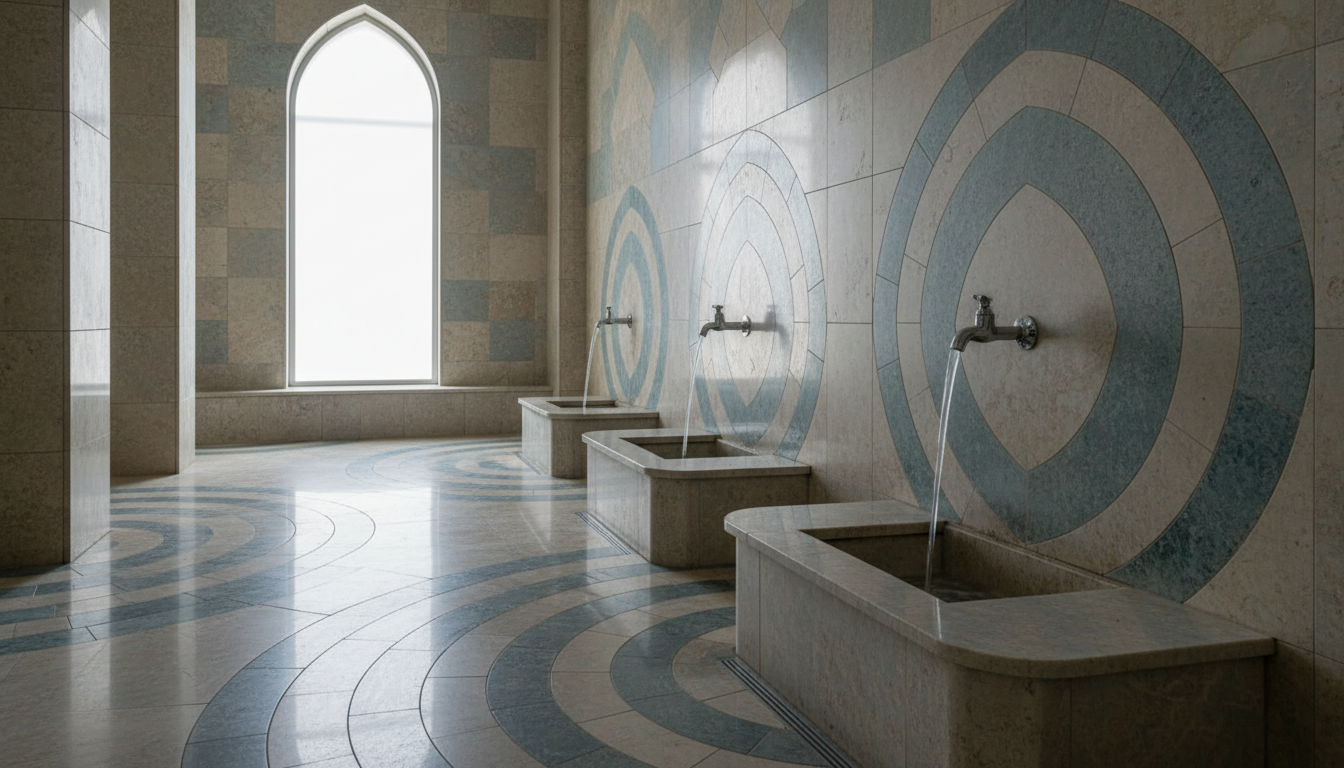
Cleanliness is part of everyday Muslim life, while ritual purification has specific rules connected with acts of worship. It is helpful to distinguish general hygiene—such as keeping the body, clothing, and surroundings clean—from the legal requirements of wudu, ghusl, and other matters of purification.
Everyday Cleanliness
Keep personal spaces, clothing, and shared facilities clean, dispose of waste responsibly, and wash hands when appropriate. Good hygiene supports health and consideration for others. In a mosque or shared prayer area, leave the space clean for the next person.
Understanding Wudu
Wudu is the prescribed ablution performed before prayer in circumstances where it is required. Learn its steps from a reliable teacher or established reference, and check details according to the school of Islamic law you follow. Differences in some details should not become a reason to shame or argue with others.
When Ghusl May Be Required
Ghusl is a full ritual bath required in specific circumstances. Because the circumstances and detailed rulings can be sensitive and may vary in application, use a trusted fiqh resource or ask a qualified scholar for personal guidance rather than relying on a brief online summary.
Use Water Responsibly
Purification does not require wastefulness. Use what is sufficient for the task, keep taps closed when not needed, and maintain safe, clean washing areas. Practical care for water and facilities benefits both individuals and the wider community.
Do Not Confuse Hygiene with Every Ritual Ruling
A person can be physically clean while still needing ritual purification for a particular act of worship; conversely, ritual rules do not replace ordinary hygiene. If you are uncertain whether wudu remains valid or whether a particular situation requires ghusl, write down the precise question and ask a qualified teacher.
Reliable Learning and Respectful Practice
Start with a clear guide from a trusted scholar, learn the terms used in your tradition, and avoid short social-media posts that leave out important conditions. For related worship guidance, see our article on how to perform Salah step by step.
This article is a general introduction, not a personal religious ruling. Specific cases involving illness, travel, uncertainty, or other circumstances should be discussed with a qualified scholar.
Discover more from ImranJalna
Subscribe to get the latest posts sent to your email.











Leave a Reply