

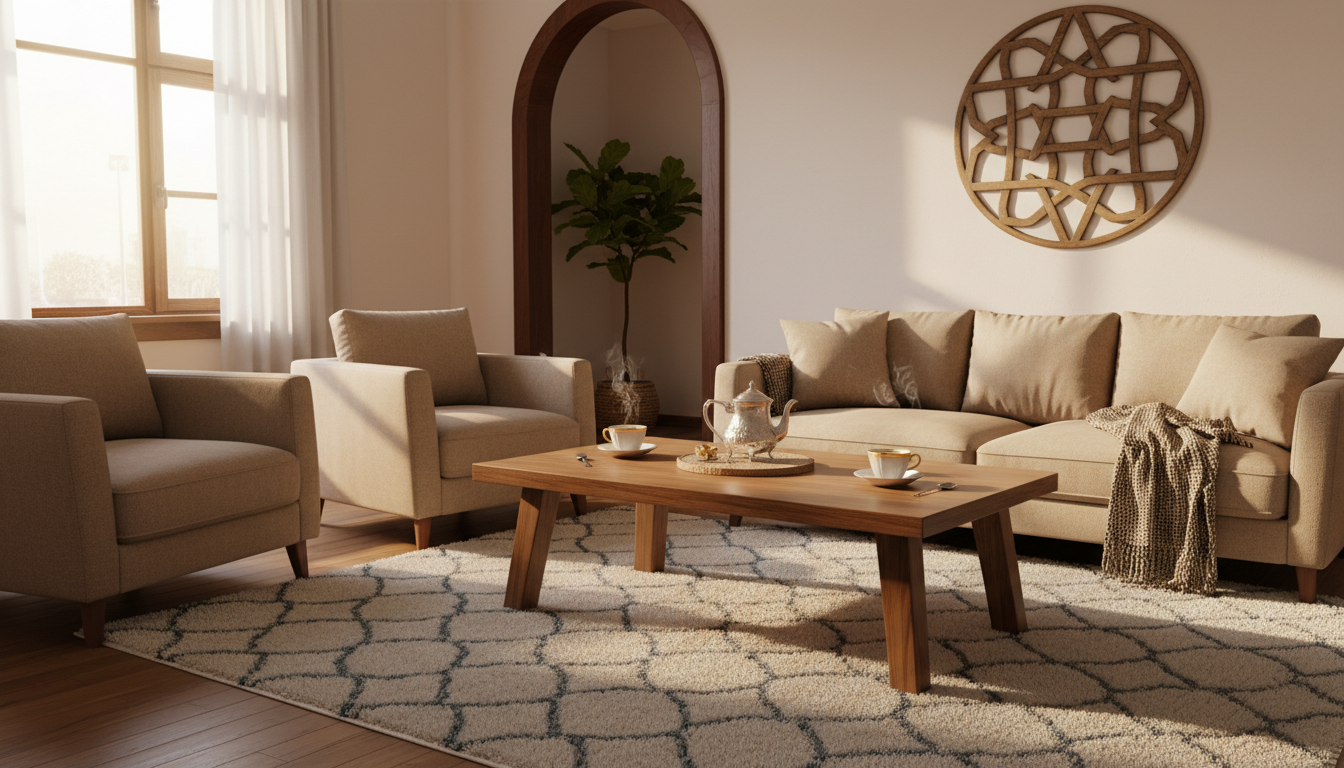
Why visiting etiquette matters
Every household has its own schedule, responsibilities and boundaries. A family may be caring for a baby, working from home or supporting someone who is unwell. A visitor who considers these circumstances makes hospitality easier rather than turning it into a burden. The Quran addresses seeking permission before entering homes in Surah An-Nur 24:27. Readers should consult a reliable translation and tafsir for the verse’s full context.1. Arrange a suitable time
Before visiting, send a short message or call to ask whether the time is convenient. Even relatives who usually welcome you may have other commitments. If your visit is unexpected, be prepared to return another day. Do not treat a delayed reply as an insult. A household’s need for rest or privacy deserves respect.2. Ask permission before entering
Ring the bell or knock appropriately and wait for a response. Do not peer through windows, walk into private rooms or assume an open door is an invitation. If the household declines the visit, accept the answer graciously. Asking permission protects the dignity of both visitor and host.3. Keep the purpose of the visit clear
A brief social call, a meal invitation and a visit to support someone after illness involve different expectations. If you need to discuss a sensitive issue, tell the host in advance when possible. Avoid arriving with additional guests without asking. Clear communication helps people prepare without unnecessary expense or anxiety.4. Respect family routines
Pay attention to the host’s work, prayer, school and rest schedules. If a child needs to sleep or an elderly person becomes tired, shorten the visit. Do not insist that everyone remain seated to entertain you. Good manners include noticing when the household is ready to return to ordinary activities.5. Avoid unnecessary expense for the host
Hospitality should not become a competition over elaborate meals or decorations. Appreciate simple refreshments and never criticize what is offered. A host may have limited money, time or energy. If appropriate, offer to bring something useful, but ask first rather than creating extra work.6. Protect privacy and personal information
Do not photograph children, rooms, documents or family members without permission. Avoid posting images of the visit on social media unless everyone concerned agrees. Do not repeat private conversations to outsiders. A friendly visit should leave the household feeling respected, not exposed.7. Speak kindly and avoid intrusive questions
Conversation can be warm without becoming personal interrogation. Questions about salary, marriage, fertility, medical treatment or family disputes may cause discomfort. Let people decide what they wish to share. If you disagree about a topic, keep the discussion civil and avoid embarrassing anyone in front of others.8. Supervise children thoughtfully
Children may be excited in an unfamiliar home. Explain beforehand that toys, books and devices belong to someone else and should be used only with permission. Keep an eye on stairs, balconies, medicines and breakable objects. If an accident occurs, inform the host and discuss a fair remedy rather than hiding the damage.9. Offer help without taking control
Some hosts appreciate assistance with serving or clearing dishes; others prefer guests to relax. Ask, “Would it help if I carried these plates?” rather than opening cupboards or rearranging the kitchen. Respect the answer. A thoughtful offer is useful precisely because it gives the host a choice.10. Know when to leave
Not every visit needs to be long to be meaningful. If conversation slows, the host appears tired or other responsibilities are approaching, thank them and prepare to leave. Do not wait for a direct request. Ending at the right time can make the next invitation more welcome.Special consideration when visiting someone who is ill
Ask whether a visit would be helpful, and keep it short if the person is recovering. Follow any hygiene precautions requested by the household. Do not offer unqualified medical advice or pressure the patient to describe private symptoms. Sometimes delivering food or sending a kind message is more useful than an in-person visit.When you are the host
Hosts also benefit from clear boundaries. You may welcome people warmly while explaining that you are available only until a certain time. Simple refreshments are sufficient. If you cannot receive guests, decline politely and suggest another time if possible. Respectful hospitality does not require neglecting health, finances or family responsibilities.Practical checklist before leaving home
Confirm the time and address; ask before bringing others; choose clothing appropriate for the setting; silence disruptive phone alerts; prepare children for the visit; and remember any item you promised to return. During the visit, avoid unsolicited photography, intrusive questions and unnecessary demands. Before leaving, thank the household sincerely.Frequently asked questions
Is it rude to decline an unexpected visitor?
No. A household may have legitimate reasons not to receive guests. A polite explanation is considerate, but detailed personal disclosure is not required.Should I bring a gift every time?
A gift may be thoughtful but should not become a financial obligation or expectation. Your respectful conduct matters more than the price of a present.Can I share photographs from a family gathering?
Ask permission from the people pictured, particularly when children or private spaces are involved. Respect anyone who prefers not to appear online.Reliable reading and related guides
Read Quran 24:27 and its surrounding verses with a recognized commentary. Browse hadith collections with scholarly explanation, and explore more Islamic guides and English articles on ImranJalna.com. These are practical etiquette suggestions, not a substitute for qualified guidance on specific religious questions.Also read:
➤ Prophet Musa (AS) and Pharaoh: From the Nile to Mount Tur
➤ The Life of Prophet Muhammad (PBUH): Lessons for Everyday Life
➤ Giving Constructive Feedback with Islamic Adab
Quran recitation, duas & Islamic history — every day
Follow Ruhani Dua on Facebook for short videos and reminders. / रूहानी दुआ को Facebook पर Follow करें।
Follow Ruhani DuaFollow Ruhani Dua on Facebook for short videos and reminders. / रूहानी दुआ को Facebook पर Follow करें।
Discover more from ImranJalna
Subscribe to get the latest posts sent to your email.
Stay connectedFollow Namaz Timings & Islamic Updates on WhatsApp for daily Namaz times, Islamic dates and Muslim-world news.













Leave a Reply