

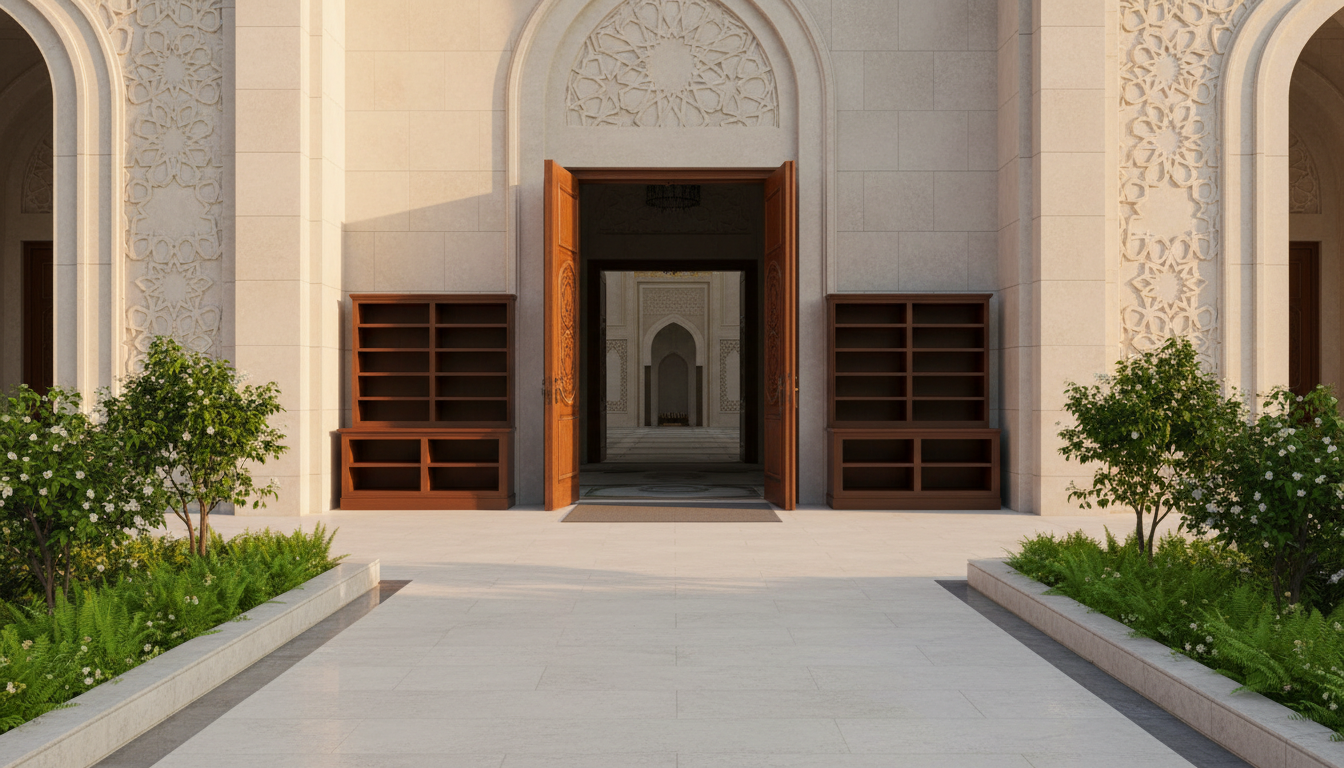
Why a welcoming mosque matters
A mosque may receive newcomers who have recently moved into the neighbourhood, travellers seeking a place to pray, students attending their first lesson, and visitors who know little about local arrangements. Their first experience can shape whether they feel comfortable returning. A thoughtful welcome does not require expensive facilities. Clear directions, patient answers and respect for personal dignity can make a significant difference. Islamic teachings on hospitality, good speech and cooperation offer a useful foundation for such everyday community service.
Begin with respect, not assumptions
A visitor may speak a different language, dress differently or be unfamiliar with local customs. Avoid assuming that the person is ignorant, suspicious or less committed to faith. Greet visitors politely when appropriate and allow them time to explain what they need. Some people prefer a quiet visit without conversation. A welcoming volunteer should be available but not intrusive. Hospitality becomes meaningful when it respects the visitor’s choice and comfort.
Make essential information easy to find
Clearly display prayer times, entrance locations, washroom directions and contact information for a responsible person. Use simple wording and readable lettering. Where the community uses several languages, consider short notices in those languages. A visitor should not need to ask five different people where to make wudu or which doorway is accessible. Keep notices current; outdated schedules can create confusion and inconvenience.
Help first-time worshippers discreetly
Someone attending congregational prayer for the first time may be unsure about where to place shoes, how rows are formed or when a lesson begins. Explain practical arrangements calmly and without turning the person into a public example. If they ask a religious question, distinguish established basic information from matters where scholars hold different opinions. When unsure, refer the question to a qualified imam or teacher rather than guessing. Respectful guidance should never depend on embarrassing someone.
Protect prayer and quiet spaces
Visitors should understand that the mosque is primarily a place of worship. A short orientation can mention silence during prayer, phone settings, cleanliness and designated areas for conversation. Rules should be explained consistently and kindly. If a tourist group or educational visitor wishes to observe the building, arrange a suitable time that does not disturb worshippers. Photography policies should protect the privacy of people praying and any children present.
Think about accessibility
A visitor with limited mobility may need a step-free entrance, suitable seating or assistance reaching the prayer area. A person with hearing or vision difficulties may need information in a different format. Ask what help would be useful rather than making assumptions. Ensure that shoes, furniture and storage boxes do not obstruct passageways. Accessibility is not a special favour; it is part of designing a space that can serve the whole community safely.
Welcome women and families respectfully
Where a mosque provides facilities for women and families, make their location and availability clear. Avoid sending visitors from one entrance to another without explanation. Parents with children may need directions to a suitable waiting or changing area. Volunteers should know the mosque’s actual arrangements and communicate them accurately, without promising facilities that do not exist. Respect local safeguarding procedures and do not leave children under the supervision of unapproved strangers.
Support travellers without making unsafe promises
A traveller may ask about prayer times, drinking water, public transport or nearby accommodation. Provide information that is reliable and within the mosque’s role. Do not promise overnight stays, transport or storage of belongings unless the organisation has an authorised policy and suitable safeguards. If someone appears distressed or urgently needs help, involve a responsible person and appropriate local services. Kindness should be paired with clear boundaries.
Train volunteers to handle questions
A simple volunteer guide can cover greetings, prayer-area directions, accessibility, safeguarding, emergency contacts and how to refer religious questions. Volunteers should know which matters they can answer and which require a committee member or imam. Short role-play exercises help people practice patient responses when a visitor is confused or upset. Volunteers should not request unnecessary personal information or photograph visitors without permission.
Avoid turning hospitality into pressure
New visitors should not be pressured to donate money, join a mailing list or publicly introduce themselves. If the mosque offers classes or community programmes, provide information and allow people to decide whether to participate. Collect contact details only with a clear purpose and appropriate consent. A visitor who declines to share a phone number should still receive the same respectful treatment as anyone else.
Keep the entrance safe and organised
A welcoming entrance is also a safe entrance. Check that pathways are clear, footwear storage is orderly and emergency exits remain unobstructed. Wet floors should be addressed promptly. Where gatherings are large, provide calm guidance that prevents crowding. If the mosque has a visitor register for a legitimate reason, explain why information is collected and how it is protected. Avoid creating unnecessary queues that disrupt people arriving for prayer.
Create a small multilingual welcome guide
A one-page guide can include prayer times, wudu facilities, access routes, basic etiquette and a contact point. Use plain language and avoid long debates about religious differences. Translate carefully, especially when religious terms are involved. A digital version can help, but printed information remains useful for people without smartphones. Review the guide regularly and invite feedback from newcomers about anything confusing.
What to do when a complaint arises
A visitor may report rude treatment, an inaccessible entrance or unclear instructions. Listen without immediately dismissing the concern. Record essential facts privately and refer the issue to the appropriate committee member. Avoid sharing complaints or identifying details in public messaging groups. If a safeguarding or immediate safety concern is raised, follow the relevant protection procedures and contact appropriate authorities when necessary. A respectful response can improve the experience for everyone.
Frequently asked questions
Must every visitor register before entering? Follow lawful, proportionate site policies; avoid unnecessary personal data collection. Can non-Muslims visit a mosque? Rules and arrangements vary by location, so visitors should check with the mosque; many communities offer educational visits. Should volunteers correct every unfamiliar practice immediately? Focus on safety and essential guidance, and refer sensitive religious matters to qualified scholars. Can visitors take photographs? Obtain permission and respect the privacy of worshippers and children. How can a small mosque begin? Start with a clear notice, one trained contact person and a tidy entrance.
A practical thirty-day improvement plan
During the first week, walk through the building as if visiting for the first time and identify confusing points. In the second week, update signs and prepare a simple welcome guide. In the third week, train volunteers and check accessibility and safety. In the fourth week, invite discreet feedback and correct problems. Record what was changed so future volunteers can maintain the system. This modest routine can be repeated whenever the mosque’s activities or facilities change.
Conclusion and Islamic references
A welcoming mosque combines warmth with clarity, privacy and safety. Visitors should feel that their questions can be answered without embarrassment and that the community values their dignity. Quran 16:90 highlights justice and good conduct, while Quran 5:2 encourages cooperation in goodness. The Prophet’s teaching about speaking good or remaining silent also reminds volunteers to choose their words carefully. See Quran 16:90, Quran 5:2, and Sahih al-Bukhari 6018. Related reading: Mosque Library Borrowing Guide and Rights of Neighbors in Islam.
Also read:
➤ Orhan Ghazi: How Bursa Made the Ottomans a State
➤ Hajj Conference 2026 in Jeddah: What It Means for Hajj 2027
➤ Fatima al-Fihri: The Muslim Woman Who Founded the World’s Oldest University
Follow Ruhani Dua on Facebook for short videos and reminders. / रूहानी दुआ को Facebook पर Follow करें।
Discover more from ImranJalna
Subscribe to get the latest posts sent to your email.












Leave a Reply