
Fidya and Kaffarah 2027: Amount in USA, UK, India and the Gulf
Fidya is the compensation paid for each Ramadan fast a person cannot keep and cannot make up later, such as an elderly person or someone with a lasting illness. Kaffarah is the much heavier expiation for deliberately breaking a Ramadan fast without a valid reason. The latest published rates, set for Ramadan 2026, are about $15 per missed fast in the USA, £5 to £7 in the UK, AED 20 in the UAE and around ₹80 in India. A cash Kaffarah, where it is allowed, is 60 times the daily rate. Organisations usually announce their Ramadan 2027 rates a few weeks before Ramadan (expected to begin on 8 February 2027), and this page will be updated when they do.
Fidya and Kaffarah amounts at a glance
| Country | Fidya per missed fast | Kaffarah in cash (feeding 60 people) | Source of the amount |
|---|---|---|---|
| USA | $15 | $900 | Fiqh Council of North America, 2026 rate (based on the US average daily food cost); ICNA Relief also uses $15 a day |
| UK | £5 to £7 | £300 to £420 | Islamic Help (£5 a day) and Muslim Hands (£7 a day), 2026 rates |
| India | About ₹80 (minimum) | About ₹4,800 (minimum) | Sadaqat-ul-Fitr of ₹80 for 2026 announced by the Office of the Grand Mufti of Jammu and Kashmir, based on half a sa’ of wheat; in the Hanafi school one Fidya equals one Sadaqat-ul-Fitr |
| UAE | AED 20 | AED 1,200 | UAE Fatwa Council, Ramadan 2026 values (reported by Khaleej Times and Gulf News) |
Kaffarah is not a simple payment: the person must first fast 60 consecutive days, and only someone who genuinely cannot do that feeds 60 poor people instead. The cash figures above apply only to that second option.
What is Fidya? The Quranic basis
Fidya (فدية) means “ransom” or “compensation”. Allah says about fasting: “And upon those who are able to do it [only with hardship] is a ransom, the feeding of a poor person” (Surah al-Baqarah 2:184). Ibn Abbas (RA) explained that this verse applies to the old man and old woman who cannot fast: they feed one poor person for every day (Sahih al-Bukhari 4505).
Fidya is not an option for someone who is only temporarily unable to fast. Allah says: “So whoever among you is ill or on a journey, then an equal number of other days” (Surah al-Baqarah 2:184, repeated in 2:185). A traveller, or someone with a short illness, makes up (Qada) the missed fasts later instead of paying Fidya.
Who must pay Fidya?
- Elderly people who are too weak to fast now and are not expected to regain the strength.
- People with a long-term or terminal illness who have been advised by a trustworthy doctor that they cannot fast and are unlikely to recover enough to make up the fasts.
- The heirs of a deceased person who died owing fasts they could have made up: many scholars say Fidya is paid from the estate if the person left a wish (Wasiyyah) for it, within one third of the estate. See our Islamic Inheritance Calculator for how the estate is divided.
Pregnant and breastfeeding women: the Prophet ﷺ said that Allah has relieved “the traveller of fasting and half the prayer, and the pregnant and the breastfeeding woman of fasting” (Sunan Abi Dawud 2408, Jami’ at-Tirmidhi 715). In the Hanafi school, they make up the missed days later and do not pay Fidya. The Shafi’i and Hanbali schools add Fidya as well as the make-up fast when the woman feared only for the baby. Follow the school you normally follow and ask your local Imam if unsure.
How Fidya is calculated
Fidya is one day’s food for one poor person, for each missed fast. Scholars express this in two ways: the Hanafi school uses half a sa’ of wheat (about 1.6 to 2 kg) or its value, the same as Sadaqat-ul-Fitr; other schools use one mudd of the local staple food, or two filling meals. Because food prices differ, each country or organisation turns this into a local cash amount every year.
Formula: Fidya = number of missed fasts × local daily rate.
| Fasts missed | USA ($15) | UK (£5) | UAE (AED 20) | India (₹80) |
|---|---|---|---|---|
| 1 | $15 | £5 | AED 20 | ₹80 |
| 10 | $150 | £50 | AED 200 | ₹800 |
| 29 | $435 | £145 | AED 580 | ₹2,320 |
| 30 | $450 | £150 | AED 600 | ₹2,400 |
The Indian figure is a minimum based on wheat. Many Masajid in India announce a higher local rate, and paying on the basis of dates, barley or a full meal is better for those who can afford it. Fidya can be given as food or as its cash value to a poor person, and several days’ Fidya can go to one person.
What is Kaffarah for a broken fast?
Kaffarah (كفارة) is an expiation. A man came to the Prophet ﷺ saying he had been ruined because he had relations with his wife while fasting in Ramadan. The Prophet ﷺ asked whether he could free a slave; then whether he could fast two consecutive months; then whether he could feed sixty poor people (Sahih al-Bukhari 1936, Sahih Muslim 1111). The same order appears in the Quran for another expiation (Surah al-Mujadilah 58:3-4).
- Step 1: make up the broken fast (one Qada fast).
- Step 2: fast 60 consecutive days. If the chain is broken without a valid excuse, it starts again.
- Step 3 (only if unable to fast 60 days): feed 60 poor people, two meals each, or give each of them the value of one Fidya.
When is Kaffarah due?
All four schools agree that Kaffarah is due for deliberate intercourse during a Ramadan fast. The Hanafi and Maliki schools also require it for deliberately eating or drinking during a Ramadan fast without excuse; the Shafi’i and Hanbali schools require only the make-up fast and sincere repentance for eating or drinking. Kaffarah is not due for eating by mistake, for vomiting unintentionally, or for missing fasts because of illness or travel. In the Hanafi school, several fasts broken in the same Ramadan are generally covered by one Kaffarah if none was paid in between.
Fidya, Kaffarah, Fitrana and Zakat: what is the difference?
| Payment | Why it is paid | Amount |
|---|---|---|
| Fidya | A fast that can never be made up | One day’s food per missed fast |
| Kaffarah | Deliberately breaking a Ramadan fast | 60 consecutive fasts, or feeding 60 people if unable |
| Fitrana (Zakat al-Fitr) | Due on every Muslim who has the means, before the Eid prayer | One sa’ of food (half a sa’ of wheat in the Hanafi school) per person |
| Zakat al-Mal | Wealth above the Nisab held for a lunar year | 2.5% of zakatable wealth |
Read the full comparison in Sadaqah vs Zakat vs Fitrana: the differences every Muslim should know, and work out your annual Zakat with our Zakat Calculator.
How and when to pay
- Fidya can be paid during Ramadan for each day missed, or for the whole month at the start of Ramadan by someone who knows they cannot fast at all.
- Give it to poor and needy Muslims, directly or through a trusted charity or your local Masjid that distributes food.
- Kaffarah by feeding must reach 60 different poor people (or, in the Hanafi school, one person on 60 separate days).
- Keep a simple record of how many fasts you missed and what you paid.
Frequently asked questions
How much is Fidya for Ramadan 2027?
The 2027 rates have not been announced yet. The latest published rates (2026) are about $15 per missed fast in the USA, £5 to £7 in the UK, AED 20 in the UAE and a minimum of around ₹80 in India. Expect small increases with food prices.
How much is Kaffarah for one broken fast?
If you are unable to fast 60 days, feeding 60 people costs about $900 in the USA, £300 to £420 in the UK, AED 1,200 in the UAE and from about ₹4,800 in India, based on the 2026 daily rates.
Can I pay Fidya instead of making up my fasts?
No, not if you are able to fast later. Fidya is only for someone who cannot fast now and will not be able to make the fasts up. A temporary illness, travel or menstruation requires making up the days (Surah al-Baqarah 2:184-185).
Can Fidya be given to my relatives?
It can be given to poor relatives other than those you are already obliged to support, such as your parents, grandparents, children and spouse.
I missed fasts years ago and never made them up. What should I do?
If you can fast, make them up as soon as you can. The Shafi’i, Maliki and Hanbali schools also require one Fidya for each fast delayed past the next Ramadan without excuse; the Hanafi school requires only the make-up fasts.
Is this a fatwa?
No. This guide summarises the main positions and the published amounts for general education. It is not financial advice or a fatwa. For your own situation, ask a qualified scholar or your local Masjid.
Sources: Fiqh Council of North America, “Fidyah and Zakat al-Fitr” (2026); ICNA Relief Fidya page; Islamic Help, “How much is Fidya in the UK?”; Muslim Hands UK, “Pay Fidyah”; UAE Fatwa Council values as reported by Khaleej Times and Gulf News (February 2026); Office of the Grand Mufti of Jammu and Kashmir, Sadaqat-ul-Fitr 2026 as reported by Daily Excelsior. Quran and hadith references are given in the text. Questions or corrections: contact@imranjalna.com.
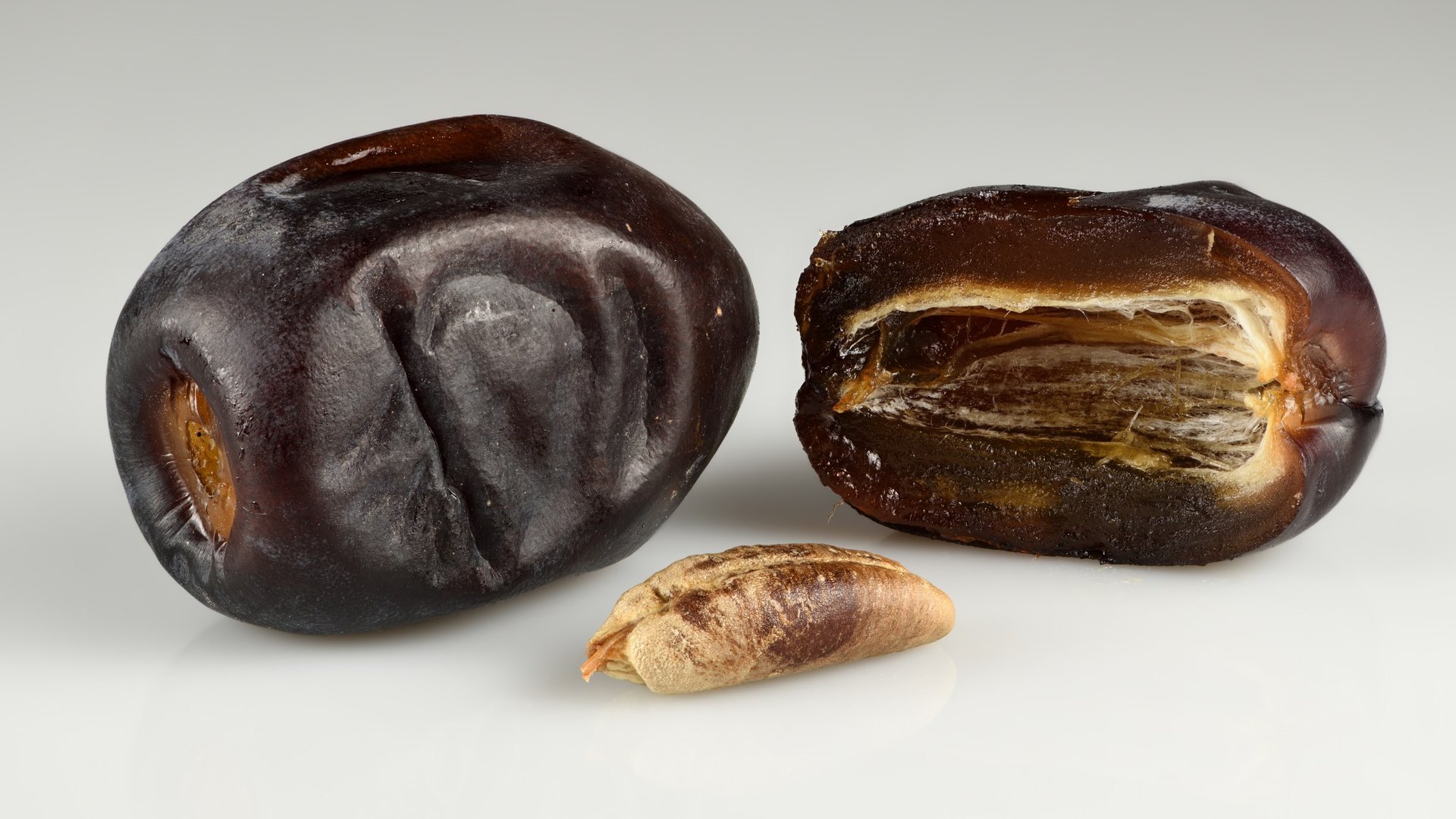
Featured photo: Mazafati dates by Ivar Leidus, Wikimedia Commons, CC BY-SA 4.0. ImranJalna Desk.