

A shared space belongs to everyone who uses it, yet its condition often depends on small individual choices. Mosques, schools, apartment corridors, libraries, parks and community halls can become safer and more welcoming when people treat them with care. Islamic ethics emphasize trust, consideration for others and avoiding harm. These principles offer a practical way to think about cleanliness, maintenance and fairness in public and communal places.
Why shared spaces are an ethical responsibility
When someone leaves rubbish in a corridor or damages a common facility, other people bear the inconvenience. A broken tap wastes water, a blocked doorway creates risk and careless noise disturbs people who need rest or concentration. Looking after communal property is not merely a matter of appearances. It is about respecting the rights, time and wellbeing of others.
1. Leave a place ready for the next person
After using a meeting room, library desk or prayer area, return movable items to their proper places. Dispose of rubbish appropriately and report any accidental spills. Do not assume that cleaners or volunteers should correct every avoidable mess. A useful question is: “Would I be comfortable if the next person left this space in the same condition for me?”
2. Treat community property as a trust
Shared chairs, books, microphones, fans and other facilities are not personal possessions. Use them according to the rules and ask before taking anything home. If an item is damaged, inform the responsible person promptly. Avoid using communal resources for private purposes without permission. Transparency helps protect trust among members of a community.
3. Keep entrances and emergency routes clear
Do not store boxes, shoes, furniture or equipment in doorways and escape routes. In crowded spaces, blocked passages can create serious hazards. Follow local building and fire-safety requirements, and report concerns to the appropriate manager. Safety must take priority over convenience, especially where children, elderly visitors or people with disabilities are present.
4. Use water responsibly
Shared washrooms and ablution areas may consume substantial amounts of water. Close taps properly, report leaks and avoid leaving water running unnecessarily. Conservation is a practical way to respect limited resources and reduce operating costs. If plumbing needs repair, inform maintenance staff rather than attempting unsafe work without the required skills.
5. Respect quiet and personal space
A library, prayer room, clinic waiting area or study hall may require a calm environment. Keep phone conversations and audio at an appropriate level. Do not occupy more seating than necessary when others are waiting. Respect privacy, especially in places where people may be discussing personal matters or seeking assistance.
6. Share responsibilities fairly
Community cleaning and maintenance should not automatically fall on one person or a small group of volunteers. Organizers can create a realistic rota, provide suitable supplies and recognize contributions. Assign tasks according to ability, training and safety. Children can learn simple responsibilities, but they should not be given hazardous cleaning work.
7. Report problems before they become emergencies
A loose handrail, damaged electrical socket, slippery floor or leaking pipe can worsen if ignored. Tell the appropriate caretaker, administrator or committee member. Provide clear details about the location and nature of the problem. Avoid touching exposed electrical components or attempting dangerous repairs yourself.
8. Make spaces accessible and welcoming
Consider whether entrances, seating, signs and facilities are usable by older people, children and people with disabilities. Do not obstruct ramps or accessible pathways. Where improvements are needed, raise them respectfully with those responsible for the property. An inclusive space benefits the whole community.
9. Correct problems without humiliating others
If someone leaves a mess or uses a facility incorrectly, a polite reminder may be enough. Avoid photographing and publicly shaming them. Explain the relevant rule and why it matters. Repeated or serious misconduct may require formal action, but ordinary mistakes should be addressed proportionately.
10. Keep maintenance and donations transparent
When a mosque or community organization collects funds for repairs, maintain clear records of income, spending and approvals. Provide receipts where appropriate and protect donors’ personal information. Major work should be handled by qualified professionals, with necessary permissions and safety checks. Transparent management encourages confidence and reduces disputes.
Examples from everyday community life
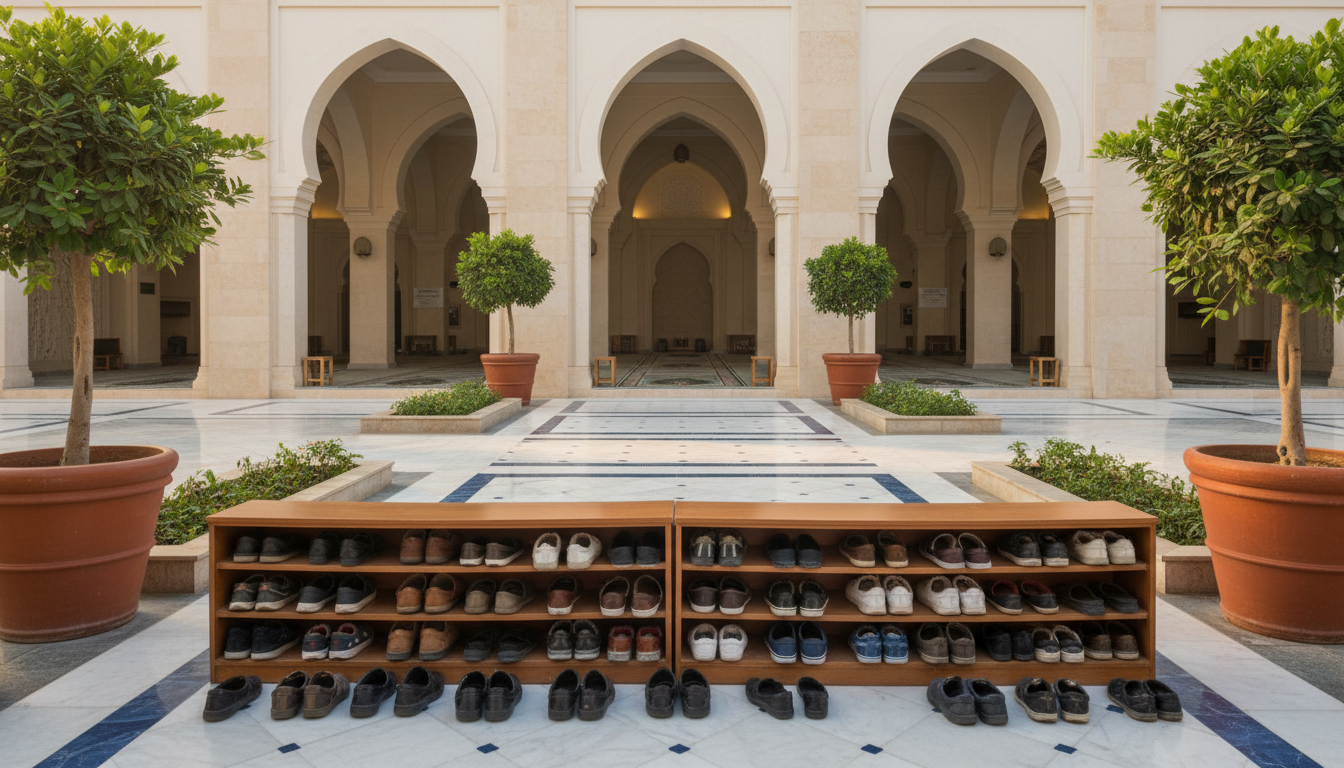
At a mosque: Keep shoe areas organized, avoid wasting water and report a slippery floor. At a school: Return borrowed books and leave shared desks clean. In an apartment building: Do not block stairs with storage items, and report faulty lighting. At a community event: Arrange waste collection and make sure exits remain open.
A simple seven-day improvement plan
Day one: Walk through the shared area and identify the most common problems. Day two: Speak with users and caretakers about practical priorities. Day three: Fix simple organizational issues that do not require specialist work. Day four: Report safety hazards to qualified staff. Day five: Introduce clear, respectful reminders. Day six: Agree on fair volunteer responsibilities. Day seven: Review what improved and what still needs attention.
Islamic values behind everyday care
The Quran calls believers toward cooperation in righteousness in Surah Al-Ma’idah 5:2. The verse should be read in its full context with a recognized tafsir. General principles of cooperation, trust and avoiding harm can inspire considerate community practices, but specific property disputes or legal responsibilities may require expert guidance.
Common mistakes to avoid
Do not begin construction or electrical repairs without proper authorization. Avoid using charity funds for purposes that donors or governing rules have not approved. Do not assume volunteers can replace trained safety personnel. Do not post images of visitors, children or private records without permission. Most importantly, avoid treating cleanliness as an excuse to shame people who need assistance.
Frequently asked questions
Who should pay for shared repairs?
That depends on ownership, local rules and agreed financial arrangements. Community groups should document decisions and obtain appropriate advice when obligations are unclear.
Can children help maintain shared spaces?
Yes, with age-appropriate tasks such as putting books away or disposing of paper safely. Hazardous chemicals, electrical work and dangerous repairs are not suitable children’s activities.
What if someone repeatedly ignores the rules?
Begin with respectful communication, then use the organization’s fair complaint or enforcement process when necessary.
Further reading and related guides
Read Quran 5:2 with its surrounding context and recognized commentary. Consult hadith collections with qualified scholarly explanation. Explore more Islamic guides and English articles on ImranJalna.com.
This is general educational guidance. Building safety, financial management and legal obligations should be handled according to applicable local requirements.
Discover more from ImranJalna
Subscribe to get the latest posts sent to your email.














Leave a Reply