

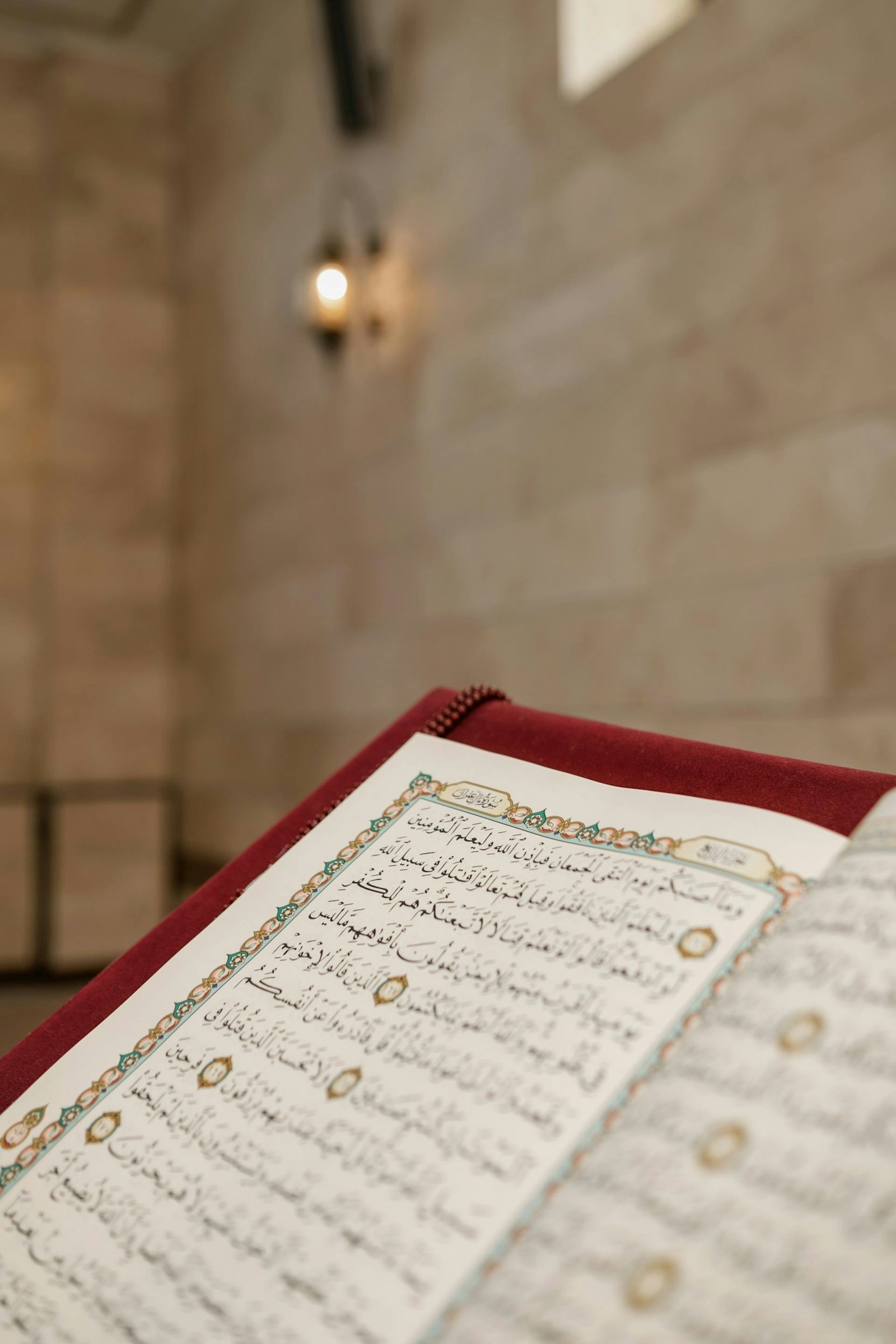
Sleep is one of Allah’s everyday blessings. The Qur’an describes sleep as a form of rest, and Islamic teaching treats the night as part of a balanced human life. A good Muslim bedtime routine combines worship, cleanliness, remembrance of Allah and sensible care for the body.
Sleep is a blessing, not laziness
Islam does not teach that a believer must remain busy every waking minute. The body has rights, and adequate rest can support prayer, work, family responsibilities and good character. Exhaustion can make a person irritable, careless and less able to concentrate in salah. The goal is balance: avoiding both chronic sleep deprivation and a lifestyle in which sleep consumes the time needed for obligations.
Prepare for sleep with intention
An ordinary act can gain spiritual meaning through intention. A Muslim may intend to rest so that he or she can wake for Fajr, earn a lawful living, care for family and worship with energy. This does not require complicated words. It is a quiet change in purpose: sleep becomes preparation for tomorrow’s responsibilities rather than an escape from them.
Wudu before bed
Authentic hadith reports encourage performing wudu before sleeping. For many people, this also creates a useful boundary between a busy day and the night. If someone later loses wudu while asleep, that does not make the earlier practice meaningless; the point is to go to bed in a state of purification when possible.
Dhikr and Quranic recitation
Well-known bedtime practices include reciting Ayat al-Kursi and the protective surahs Al-Ikhlas, Al-Falaq and An-Nas, along with authentic supplications. Muslims should learn these from reliable sources rather than forwarding unverified “special bedtime wazifa” messages that promise guaranteed worldly results. The value of Sunnah remembrance lies in following established guidance with sincerity.
Sleeping position and practical comfort
Hadith literature includes guidance to lie on the right side. A person with a genuine health need should not turn a recommended practice into hardship. Islamic ethics recognises capacity and ease. Appropriate professional health advice can be followed where a particular sleeping position is important.
Protect Fajr before you sleep
A bedtime routine should be designed backwards from Fajr. Set a reliable alarm, place the phone where you must consciously respond to it, and avoid scrolling late into the night. If you repeatedly sleep through Fajr because entertainment keeps you awake, the real problem may begin hours before the alarm rings.
Families can help by reducing unnecessary late-night noise and creating realistic sleep times for schoolchildren. Teenagers especially need guidance that is firm but not humiliating.
Phones, screens and endless scrolling
The classical sources obviously do not mention smartphones, but Islamic principles about time, modesty, privacy and self-control apply. Bedtime scrolling can expose a person to gossip, indecent material, arguments and hours of lost time. Charging the phone away from the pillow, muting nonessential notifications and stopping social media before sleep can protect both rest and attention.
What if you cannot sleep?
Difficulty sleeping is not necessarily a sign of weak faith. Stress, pain, work schedules and many other factors can disturb rest. Dhikr and dua may bring comfort, while persistent problems may also deserve appropriate professional attention. Using lawful means and trusting Allah are not opposites.
A simple Muslim bedtime checklist
Finish urgent responsibilities, make wudu when practical, recite authentic bedtime adhkar, set the Fajr alarm, put away distracting screens, forgive people in your heart as far as you can, and sleep with the intention of waking stronger for worship and duty. Keep the routine sustainable. A small practice maintained consistently is better than an elaborate routine abandoned after three nights.
Balance is the Sunnah spirit
Islamic sleep etiquette is ultimately about balance. Night prayer has great virtue, but so do Fajr, family rights, honest work and physical wellbeing. A healthy routine should help these duties support one another. The believer does not need to imitate someone else’s exact timetable; work shifts, age, family responsibilities and seasons differ.
Common questions about sleep
Staying up late is not automatically wrong. Work, study, family care, travel and worship can require late nights. The concern is avoidable activity that repeatedly damages Fajr, health or responsibilities. A short daytime rest can also be useful when it fits a person’s duties.
Make the bedroom support your intention
Keep the alarm reliable, reduce unnecessary notifications and prepare essential items before sleeping if that makes Fajr easier. Travel, babies, exams and seasonal prayer times can disrupt routines. Restart without despair; consistency matters more than one perfect night.
Build a routine that survives real life
A useful routine should work on ordinary weekdays, not only on ideal nights. Parents of young children, shift workers and travellers may have irregular sleep. Focus on the core habits you can protect: obligatory prayers, authentic remembrance, reasonable rest and avoiding unnecessary late-night distraction. When circumstances improve, add voluntary practices gradually.
Bedtime can become a daily reset
The minutes before sleep are also a chance to review the day without becoming trapped in guilt. Thank Allah for blessings, recognise mistakes, make sincere repentance and decide on one practical improvement for tomorrow. This turns bedtime into a moment of spiritual accountability as well as physical rest.
Related reading: Islamic time management. Primary references include Qur’an 78:9 and authenticated bedtime narrations collected in Sahih al-Bukhari.
This article provides general educational guidance. Questions involving individual health circumstances should be discussed with an appropriate professional.
Discover more from ImranJalna
नवीनतम पोस्ट अपने ईमेल पर प्राप्त करने के लिए सदस्यता लें।











Leave a Reply