

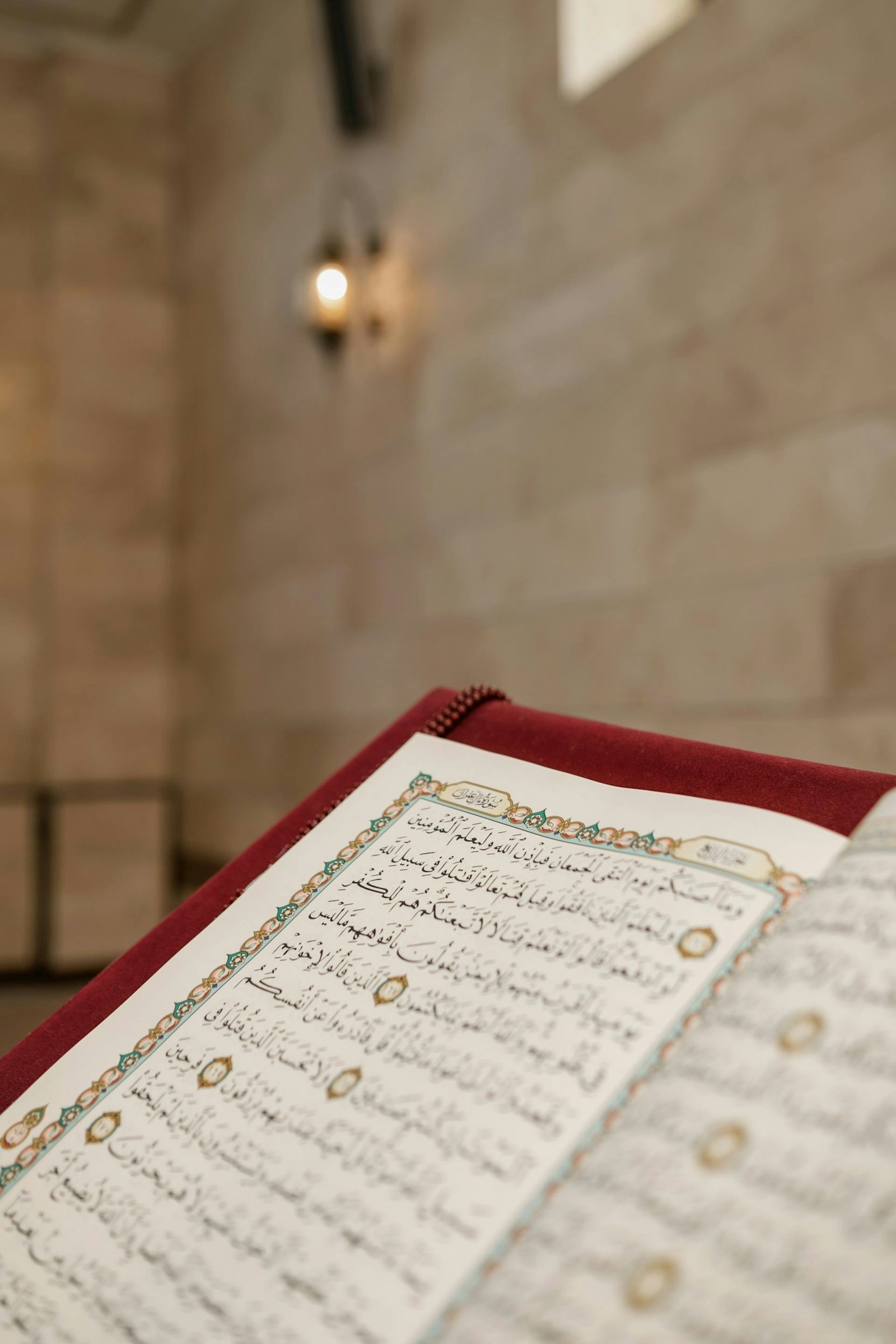
The Short Answer: Is Using AI Allowed in Islam?
AI is a tool, and tools take the ethical character of how they are used. Most scholars treat new technology under the general principle that worldly matters are permissible unless they lead to harm, deception, or injustice. The real question for a Muslim is not simply “Can I use AI?” but “Am I using it honestly, responsibly, and with accountability?” This article does not issue a fatwa. For specific rulings, consult a qualified scholar. What follows are ten practical questions rooted in the Quran and authentic Sunnah to guide your everyday choices.
The Quranic Principles Behind These Questions
Several clear principles shape a Muslim’s relationship with any source of information or power:
- Verify before you spread: “If a wrongdoer brings you news, verify it” (Quran 49:6).
- Do not speak without knowledge: hearing, sight, and heart will all be questioned (Quran 17:36).
- Do not spy or pry: (Quran 49:12).
- Stand firm for justice, even against yourself: (Quran 4:135).
- Personal accountability: every soul is held in pledge for what it has earned (Quran 74:38).
10 Ethical Questions Muslims Should Ask Before Using AI
1. What is my intention?
The Prophet ﷺ said, “Actions are judged by intentions” (Bukhari and Muslim). Using AI to learn, serve family, or improve halal work differs from using it to cut corners or mislead.
2. Am I protecting private information?
Many AI tools may store or review what you type. Pasting a client’s documents, a friend’s messages, or family medical details can betray an amanah, a trust (Quran 4:58). Share only what you would be comfortable disclosing publicly.
3. Am I presenting AI work as my own?
Submitting AI-written essays, assignments, or reports as personal effort, where originality is expected, is a form of deception. The Prophet ﷺ said, “Whoever cheats us is not one of us” (Muslim). Follow your school’s or employer’s disclosure rules. For related guidance, read our article on copyright, plagiarism, and content reposting in Islam.
4. Have I checked for hallucinations?
AI can produce confident, fluent, and completely false answers, including fake quotes and invented sources. Treat every output as a draft that needs checking, not as settled fact.
5. Am I using AI as a mufti?
Chatbots can misquote verses, fabricate hadith, or blend opinions without context. Attributing false words to the Prophet ﷺ is gravely serious: “Whoever lies about me deliberately, let him take his seat in the Fire” (Bukhari and Muslim). Verify verses directly on Quran.com and take rulings from qualified scholars, never from a chatbot.
6. Could this create or spread a deepfake?
Fake images, cloned voices, or edited videos of real people can slander, mock, or deceive. Even sharing one “as a joke” may cause real harm. The Prophet ﷺ warned that it is enough of a lie to narrate everything one hears (Muslim).
7. Is the output biased or unjust?
AI learns from human data and can reflect prejudice against groups, including Muslims. Before using AI for hiring, grading, or judgments about people, ask whether it treats everyone fairly (Quran 5:8).
8. Who is accountable if it goes wrong?
“The AI said so” is not an excuse before Allah. If you publish, send, or act on it, the responsibility is yours.
9. Is the purpose itself halal?
A tool used for gambling, fraud, explicit content, or backbiting carries the sin of that purpose. Efficiency does not purify an impermissible goal.
10. Is AI weakening my own growth or worship?
Relying on AI for every thought can erode memory, reflection, and skills. Keep memorizing Quran, reading tafsir, and thinking deeply yourself. “Leave what makes you doubt for what does not” (Tirmidhi).
Quick Checklist: Before You Hit Enter
Keep Human Responsibility at the Centre
Technology changes quickly, but the ethical habits remain familiar: verify information, protect trusts, avoid deception, respect people’s rights and accept responsibility for what you publish. Muslims do not need to fear every new tool, nor should they treat innovation as morally neutral. The better question is whether the tool is being used with knowledge, justice and ihsan.
Practical Edge Cases
- Using AI to polish grammar: generally a low-risk aid, similar to a spell-checker, provided the ideas remain yours and your institution allows it.
- AI-generated khutbah drafts: an imam remains fully responsible for every claim and must verify all references.
- Translating Quran with AI: useful for rough understanding, but rely on established translations for study.
Frequently Asked Questions
Can I ask AI religious questions at all?
Using it to find topics or sources can be helpful, but its answers are not authoritative. Confirm everything with primary texts and scholars.
Is earning money with AI tools halal?
Income depends on the honesty of the work and the permissibility of the product, not the tool itself.
Use AI With Taqwa
Intention, honesty, verification, and accountability turn a powerful tool into a source of benefit. Save these ten questions and begin by verifying your next source.
Read Quran 49:6
Discover more from ImranJalna
नवीनतम पोस्ट अपने ईमेल पर प्राप्त करने के लिए सदस्यता लें।










Leave a Reply