

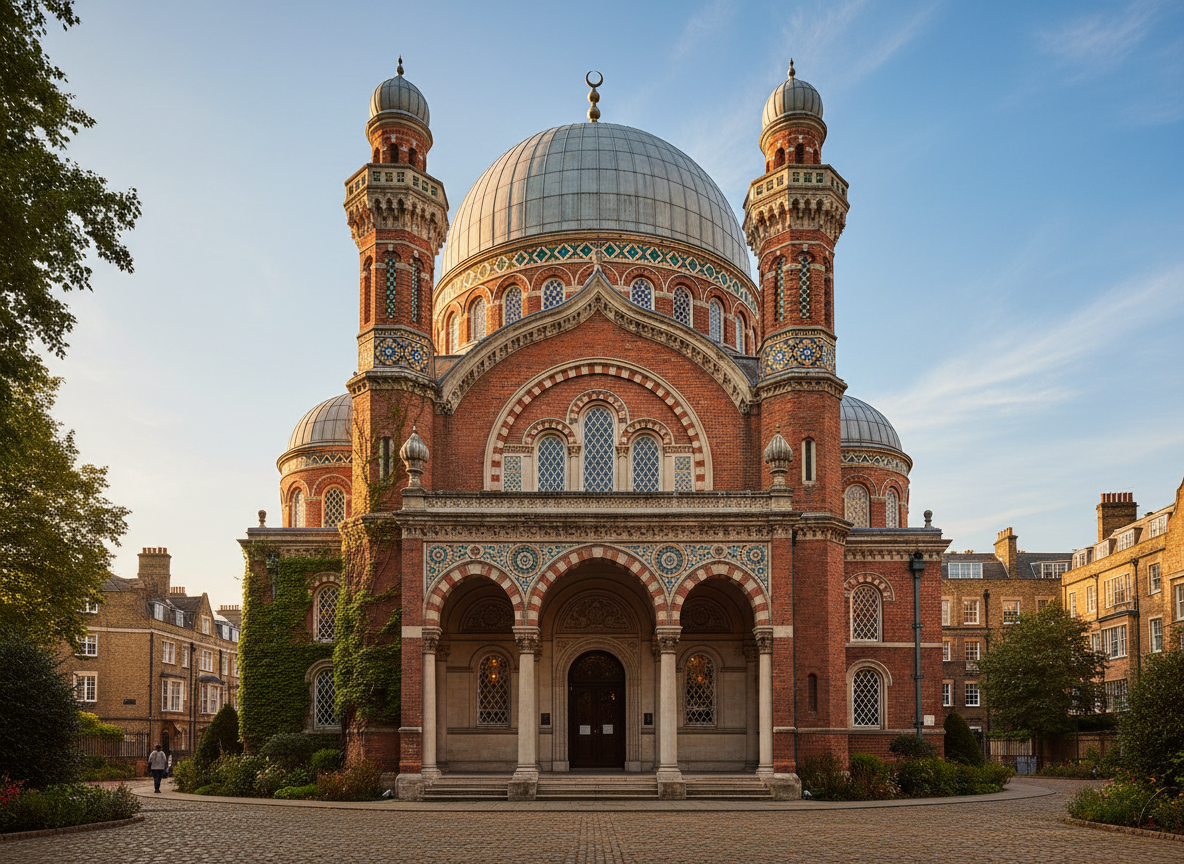
LONDON: The Fazl Mosque in Wandsworth is celebrating 100 years since its opening, offering a striking window into the long history of organised Muslim life in Britain.
The mosque, associated with the Ahmadiyya Muslim community, opened in 1926. Over the decades it has served not only as a place of prayer but as a community institution woven into the social history of south London.
A century of Muslim presence
The mosque’s story challenges the idea that visible Muslim community life in Britain is a recent development. Its establishment was supported by Ahmadi Muslims from Qadian in India, including women who contributed jewellery to help fund the project even though many would never visit London themselves.
During the Second World War the building served as an air-raid shelter. In more recent years it has hosted community initiatives including blood donation activity and Covid-19 vaccination efforts.
Centenary focused on service
Organisers are marking the anniversary through a message of connection and public service. Plans include providing meals to people experiencing homelessness, reflecting the Islamic emphasis on charity and care for neighbours.
The mosque was granted listed status by Historic England in 2018, recognising its architectural and historical significance.
Why the anniversary matters today
The centenary comes as Britain and other European countries continue to debate immigration, integration, religious identity and Islamophobia. Against that backdrop, the mosque’s long history offers a reminder that Muslim communities have contributed to British civic life across generations.
Mosques are often discussed only through politics. The Fazl Mosque story shows another dimension: worship, charity, neighbourhood relationships and the slow building of trust over decades.
Its 100th anniversary is therefore more than a milestone for one congregation. It is part of the broader story of Islam in modern Britain and of how religious institutions become embedded in the societies around them.
Source: The Guardian.
Why this centenary deserves attention
- The mosque documents an organised Muslim presence in Britain going back a century.
- Its history includes worship, wartime community use and modern public-service initiatives.
- Its listed status recognises architectural and historical significance.
- The anniversary offers a counterpoint to narratives that treat British Muslim life as entirely recent.
For a contemporary European perspective, read our coverage of the OIC’s concerns about Islamophobia in Europe and the debate over hijab restrictions.
From a mosque to a civic institution
A century-long religious institution accumulates meaning through ordinary acts: daily prayers, marriages, funerals, charitable work, neighbourly contact and support during emergencies. Those quieter functions are often absent from political debates about Islam, yet they are central to how congregations become part of a city.
ImranJalna perspective
The most useful lesson from the anniversary is historical continuity. Muslim communities in Europe are diverse, and no single mosque represents them all. But documenting institutions accurately helps readers understand how faith communities evolve, contribute and build relationships over generations.
Discover more from ImranJalna
नवीनतम पोस्ट अपने ईमेल पर प्राप्त करने के लिए सदस्यता लें।







Leave a Reply