


A practical guide for mosque committees, students, parents and readers who want to protect shared Islamic learning resources.
Why a mosque library matters
A mosque library is more than a shelf of religious books. It can help children learn to read, give new Muslims a reliable starting point, and provide adults with accessible explanations of prayer, family responsibilities, and Islamic history. Yet even a small collection needs rules. Books disappear when loans are not recorded, pages become damaged when they are handled carelessly, and valuable reference works may become unavailable to everyone when one person keeps them indefinitely. A good borrowing system protects a shared resource while keeping knowledge accessible.
The Islamic foundation: trust and responsibility
The Quran instructs believers to return trusts to those entitled to them (Quran 4:58). It also urges cooperation in goodness (Quran 5:2). These principles offer a clear ethical foundation for handling books purchased by a mosque, donated by community members, or lent by individual readers. A borrowed book remains someone else’s property. Borrowing it does not give permission to sell it, give it away, write in it, or keep it beyond an agreed return date. The same standard applies to digital files where copying or redistribution is restricted by a license.
Check whether a book can actually be borrowed
Not every volume on a mosque shelf is available for home lending. Some are reference copies meant to remain in the prayer hall, while others belong to a classroom or are reserved for teachers. Before removing a book, ask the librarian, imam, committee member, or person responsible for the collection. A sticker, shelf label, or sign-out register can make the distinction clear. Never assume that a book is free to take simply because nobody is watching.
Record loans in a simple, respectful way
For a small library, a notebook may be enough. Record the book title, borrower name, date borrowed, agreed return date, and the date it was returned. Larger collections may use a spreadsheet or library application. Collect only the personal information necessary to manage loans, keep the register secure, and avoid displaying telephone numbers publicly. A reminder should be polite and private rather than embarrassing a borrower in front of the congregation.
Protect the condition of books
Wash and dry your hands before handling fragile books. Keep drinks, food, ink pens, and damp bags away from the pages. Use a bookmark rather than folding corners, and avoid writing notes in a shared copy. If you need to annotate, use your own notebook. Transport books in a clean bag and keep them away from rain and direct sunlight. Children can learn these habits through demonstration rather than harsh reprimands. The aim is to make books last for the next reader.
What to do if a borrowed book is lost or damaged
Inform the library promptly. Concealing damage often makes the problem worse. Ask whether repair, replacement with the same edition, or another mutually agreed solution is appropriate. Some old or donated books cannot be replaced at the original price, so the responsible committee should make a fair decision based on condition and availability. Do not attempt adhesive repairs on rare manuscripts or delicate bindings without specialist advice. Transparency matters more than protecting one’s reputation.
Return books on time and request extensions
A return date helps other readers plan their learning. If you need more time, request an extension before the due date. When another person is waiting, return the book promptly and ask to borrow it again later. Teachers arranging classes should coordinate access to frequently used texts so that students are not left without material. An effective library serves the community rather than the convenience of one borrower.
Verify religious information before teaching it
A library may contain books written for different audiences and traditions. A title on a shelf is not automatically an authoritative source for every religious ruling. When sharing a Quran translation or a hadith quotation, record the source, check its wording, and distinguish a scholar’s explanation from the primary text. For questions about religious obligations or differences among schools of law, consult qualified scholars. The Quran encourages asking knowledgeable people when one does not know (Quran 16:43). Readers should approach differences respectfully.
Make the library welcoming to children and beginners
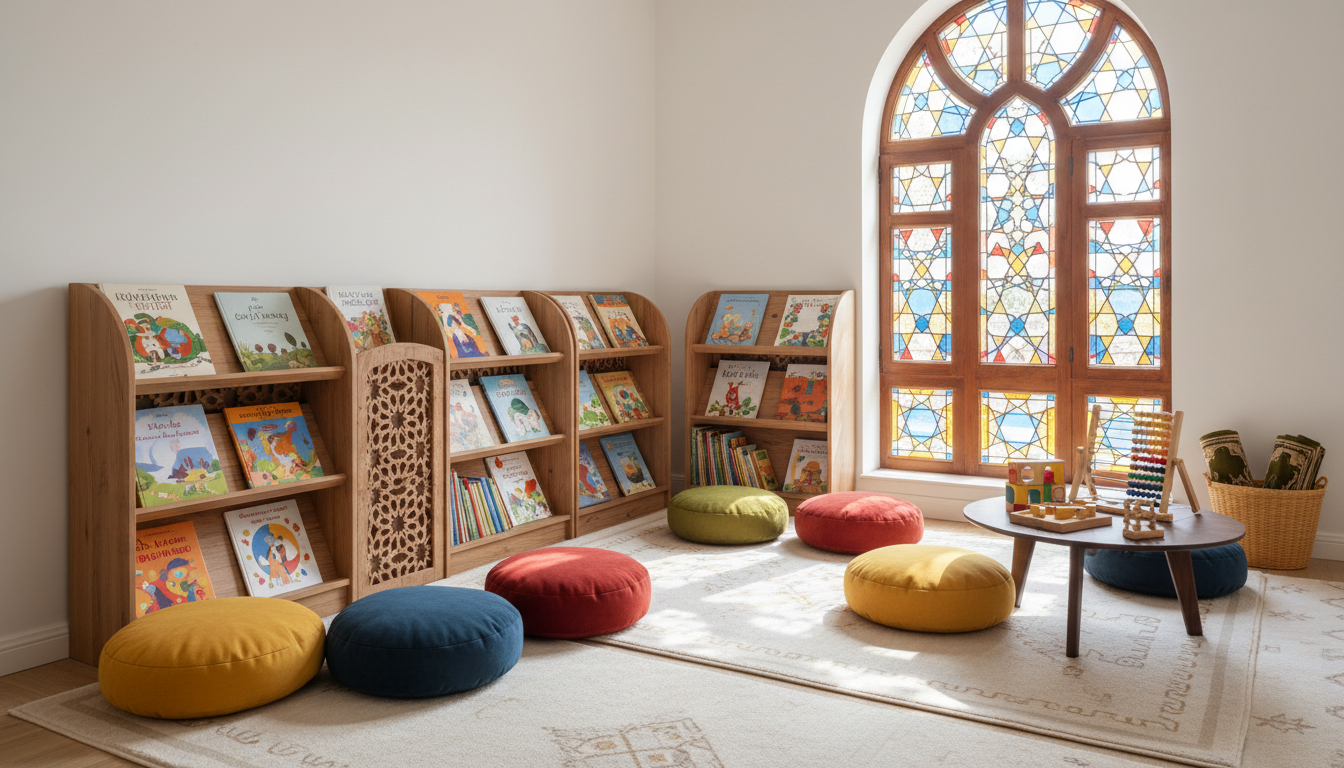
Create a clearly marked beginner shelf with accessible translations, illustrated learning materials, and short introductions. Ask parents and teachers to supervise younger borrowers without making them afraid to touch books. A short orientation can explain where books belong, how to request help, and why books must be returned. Consider large-print material for older readers and a quiet corner for those who need additional time. Accessibility is part of good community service.
Donating books responsibly
Donors should ask what the library actually needs before bringing large boxes of books. A useful donation is accurate, readable, relevant, and in reasonable condition. Check whether the library accepts duplicate copies, older editions, or material in different languages. If a donation is intended as a permanent endowment, write down the donor’s conditions and have the committee clarify how the collection will be maintained. Avoid imposing rules that the library cannot realistically administer.
Digital books and copyright
An ebook can be convenient, but possession of a file does not always authorize unlimited copying. Read the publisher’s terms before uploading a book to a public group or sharing a paid course. When possible, link to the publisher’s authorized page or a legitimately free edition. Libraries can create lists of trustworthy resources without distributing unauthorized copies. Respect for authors and publishers helps educational work remain sustainable.
A practical checklist for mosque committees
Assign one responsible volunteer, label reference-only books, keep a basic loan register, set reasonable borrowing periods, create a confidential reminder process, and inspect damaged books periodically. Publish the rules in the languages local readers understand. Review them with students and families, and invite suggestions from women, older people, and readers with disabilities. A simple and consistently followed system is better than a complicated policy nobody uses.
Frequently asked questions
Can I take a book home without asking? No, first confirm that it is available for lending. What if I forgot the return date? Contact the library and return or renew it as soon as possible. Can I underline passages? Only if the owner explicitly permits it. Can a mosque charge for a lost book? Replacement arrangements should follow the library’s stated rules and a fair assessment. Are digital books always free to forward? No; check the license and copyright terms.
Conclusion and further reading
Borrowing from a mosque library is a small but meaningful opportunity to practice honesty, consideration, and care for shared resources. A respectful reader returns what was entrusted, protects the next person’s access, and checks information before passing it on. For related reading on careful attribution, see How to Verify Islamic Quotes Online and Seeking Knowledge in Islam. Primary references: Quran 4:58, Quran 5:2, and Quran 16:43.
Discover more from ImranJalna
Subscribe to get the latest posts sent to your email.












Leave a Reply