


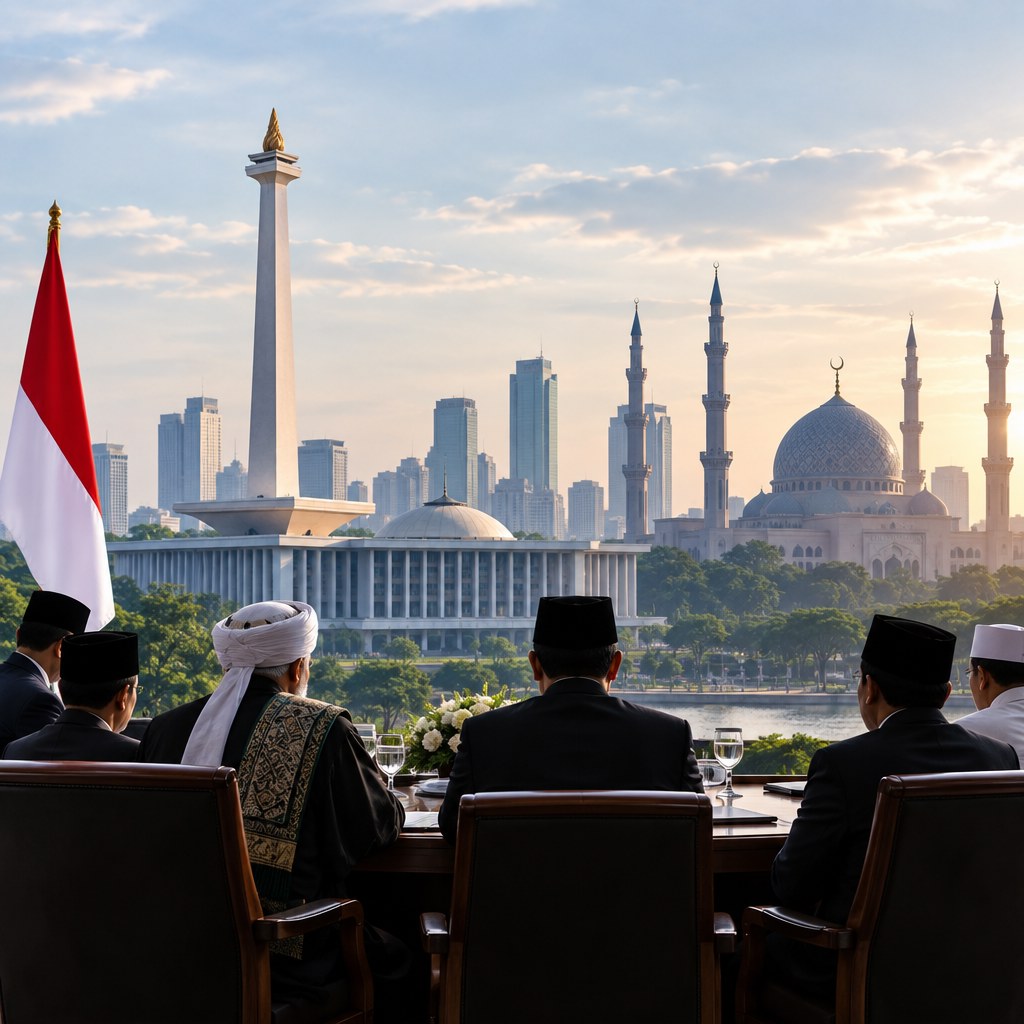
Phnom Penh: Cambodia की राजधानी में आयोजित चौथे ASEAN Countries Islamic Conference में moderation यानी संतुलित धार्मिक दृष्टिकोण, coexistence और extremism से societies को बचाने का मुद्दा केंद्र में रहा। Saudi Press Agency के अनुसार conference में करीब 130 ministers, scholars, researchers और Islamic figures शामिल हुए और दो दिनों में आठ academic sessions रखे गए.
Conference का मुख्य theme क्या है?
Sessions में moderation in creed, worship, ethics, conduct और methodology जैसे विषय शामिल हैं। Organisers का जोर excess और negligence दोनों से बचते हुए ऐसा approach विकसित करने पर है जो religious identity के साथ social stability और mutual respect को भी मजबूत करे.
130 participants क्यों महत्वपूर्ण?
ASEAN region में Indonesia, Malaysia, Brunei और अन्य देशों की बड़ी Muslim populations और diverse societies हैं। Scholars और officials का एक मंच पर आना education, religious outreach और community policy से जुड़े अनुभव share करने का अवसर देता है.
Extremism के खिलाफ education की भूमिका
Conference के sessions में educational और religious institutions की भूमिका पर चर्चा हुई। Critical thinking, balanced religious discourse और community awareness को extremist ideas से protection के tools के रूप में देखा गया.
Moderation का मतलब religion को dilute करना नहीं
आधिकारिक speeches में moderation को Islamic principles से दूरी के रूप में नहीं, बल्कि excess और negligence से बचने वाले approach के रूप में पेश किया गया। यह distinction महत्वपूर्ण है क्योंकि “moderate Islam” phrase को अलग-अलग political contexts में अलग अर्थ दिया जाता है.
Coexistence क्यों agenda में है?
Southeast Asia religiously diverse region है। Muslim communities अक्सर Buddhists, Christians, Hindus और अन्य groups के साथ एक ही social space share करती हैं। इसलिए respectful coexistence, citizenship और community peace practical policy questions हैं.
Government institutions की भूमिका
पहले दिन की discussions में governments और institutions द्वारा moderation promote करने तथा communities को extremist ideology से protect करने की भूमिका पर भी बात हुई। किसी भी policy में rights, education और lawful due process का संतुलन महत्वपूर्ण रहता है.
Religious teachers के लिए lesson
Khutbah, madrasa, school और online teaching में inflammatory language से बचना, authentic sources देना और disagreement को takfir या hatred में बदलने से रोकना community resilience के लिए अहम है. Young audiences short videos से knowledge लेते हैं, इसलिए teachers को digital communication भी समझना होगा.
Social media ने challenge क्यों बढ़ाया?
Algorithm-driven platforms provocative content को तेजी से amplify कर सकते हैं। Context-less clips और anonymous religious accounts complex issues को simple slogans में बदल देते हैं। Media literacy और source verification अब religious education का भी practical हिस्सा बनते जा रहे हैं.
Parents क्या कर सकते हैं?
बच्चों के phone पर सिर्फ ban लगाने के बजाय उनसे यह पूछें कि वे किस scholar या channel को follow करते हैं और क्यों। किसी clip में hate speech, conspiracy या violence glorification हो तो trusted teacher से चर्चा करें.
Disagreement और extremism अलग चीजें हैं
Fiqh या political disagreement अपने आप extremism नहीं है। किसी व्यक्ति या group को label करने से पहले evidence और context जरूरी है। Conference का broad message social cohesion है; इसे legitimate scholarly diversity खत्म करने का बहाना नहीं बनाना चाहिए.
ASEAN model से क्या सीखा जा सकता है?
Different countries की legal और cultural settings अलग हैं, इसलिए एक model copy नहीं किया जा सकता। लेकिन scholar training, youth engagement, interfaith communication और digital literacy जैसे areas में experience exchange उपयोगी हो सकता है.
Young Muslims के लिए practical moderation
Daily life में moderation का अर्थ यह हो सकता है कि धार्मिक commitment मजबूत रखते हुए दूसरों के अधिकारों का सम्मान किया जाए, disagreement में गाली और हिंसा से बचा जाए और online claims को verify किया जाए। Balanced character slogans से ज्यादा habits में दिखाई देता है.
Scholarship और critical thinking साथ क्यों?
Critical thinking का मतलब religious texts को मनमाने ढंग से reject करना नहीं। इसका अर्थ source, context और qualification को समझना भी है। किसी anonymous clip और trained scholar की structured explanation को एक समान weight देना समझदारी नहीं.
Women और youth की participation
Community resilience की चर्चा में women और young people को केवल audience नहीं, partners मानना जरूरी है। Education, volunteering, research और digital literacy programs में उनकी meaningful participation policies को ground reality के करीब ला सकती है.
Peaceful coexistence की सीमा
Coexistence का अर्थ injustice पर silence नहीं है। Communities अपने rights के लिए lawful और peaceful तरीके से आवाज उठा सकती हैं। लक्ष्य disagreement मिटाना नहीं, बल्कि उसे violence और dehumanisation में बदलने से रोकना है.
Conference coverage को कैसे पढ़ें?
Official conference reports agenda और speakers की position बताते हैं। किसी policy के वास्तविक प्रभाव को समझने के लिए बाद में education programs, laws, community feedback और independent research भी देखना चाहिए। Announcement और outcome में फर्क होता है.
आगे क्या?
Conference की value इस बात से तय होगी कि discussions research, education programs और community initiatives में कैसे बदलती हैं। सिर्फ declarations से ज्यादा महत्वपूर्ण measurable follow-up होगा.
Source: Saudi Press Agency. Digital misinformation के संदर्भ में ImranJalna पर Deepfake और Islamic media guide पढ़ें.
Discover more from ImranJalna
Subscribe to get the latest posts sent to your email.









Leave a Reply