

What gives you direction in life? My faith in religion, Faith is not just part of my life, it is my life’s compass. By David As a Muslim, my direction in life comes first and foremost from my faith. Islam guides every aspect of my existence from how I speak and act to how I […]
Islamic Way of Life
The Islamic Way of Life — A Complete Code for Human Existence
The Islamic way of life is a holistic system that guides human behaviour in spiritual, moral, social, economic and political spheres. Rooted in the Qur’an and the Sunnah (the Prophetic example), it aims to create balanced individuals and just societies.
1. Foundation: Tawheed and Revelation
At the heart of Islam is Tawheed — the belief in the oneness of God. This theological foundation shapes a Muslim’s worldview: life is purposeful, moral agency matters, and human conduct is accountable to the Creator. Guidance comes primarily from the Qur’an and the Prophet Muhammad’s (peace be upon him) teachings.
2. Spiritual Life: The Five Pillars
Spirituality in Islam is practical and communal. The Five Pillars provide structure and rhythm to a believer’s life:
- Shahadah — Testimony of faith.
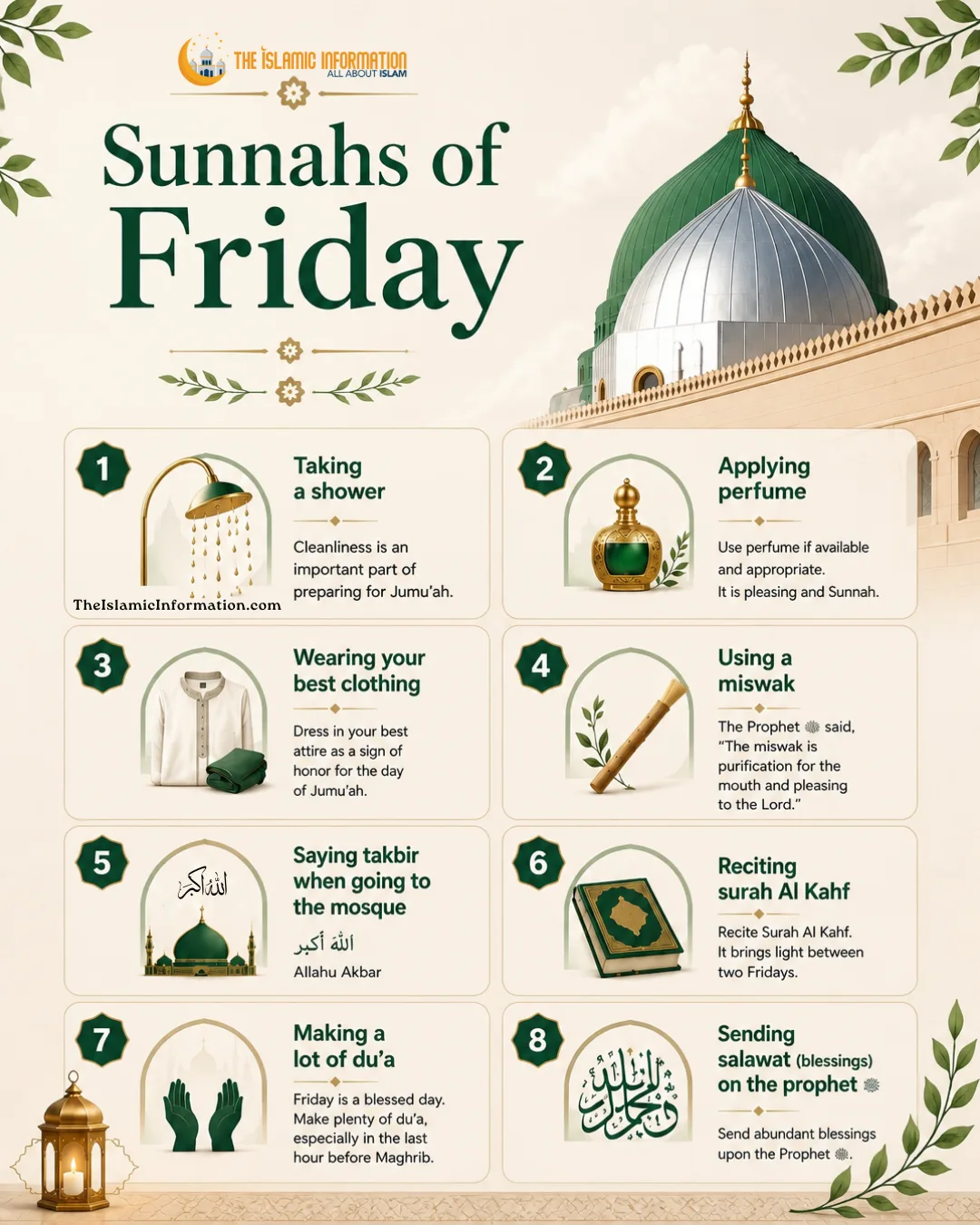
- Salah — The five daily prayers that cultivate discipline and remembrance.
- Zakat — Obligatory alms to purify wealth and support the needy.
- Sawm — Fasting in Ramadan to build self-restraint and empathy.
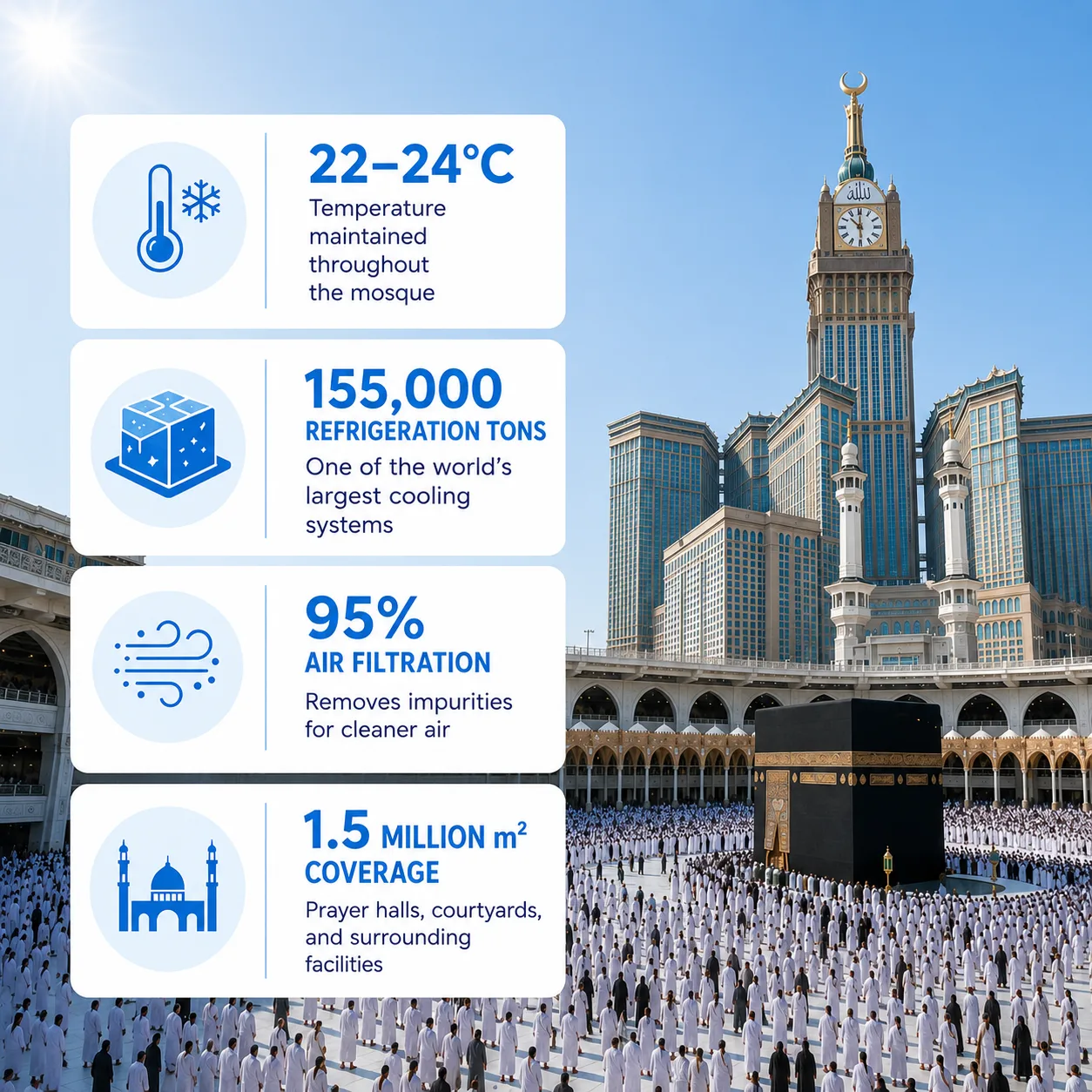
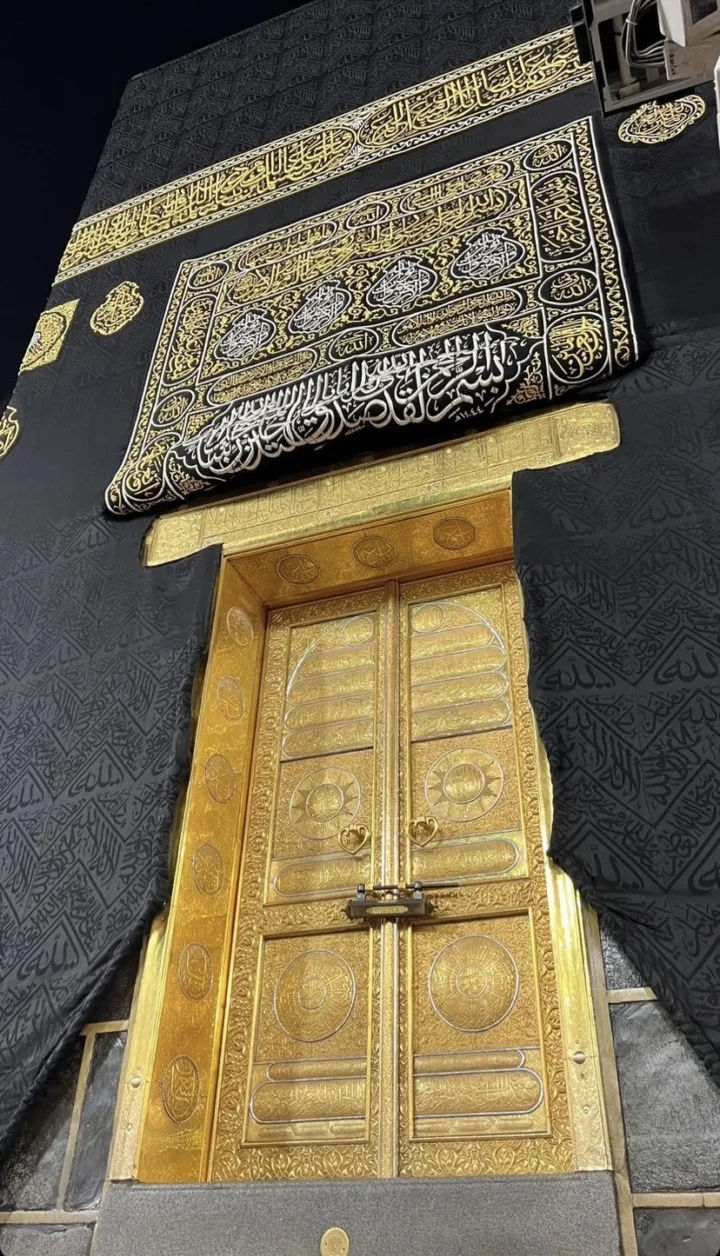
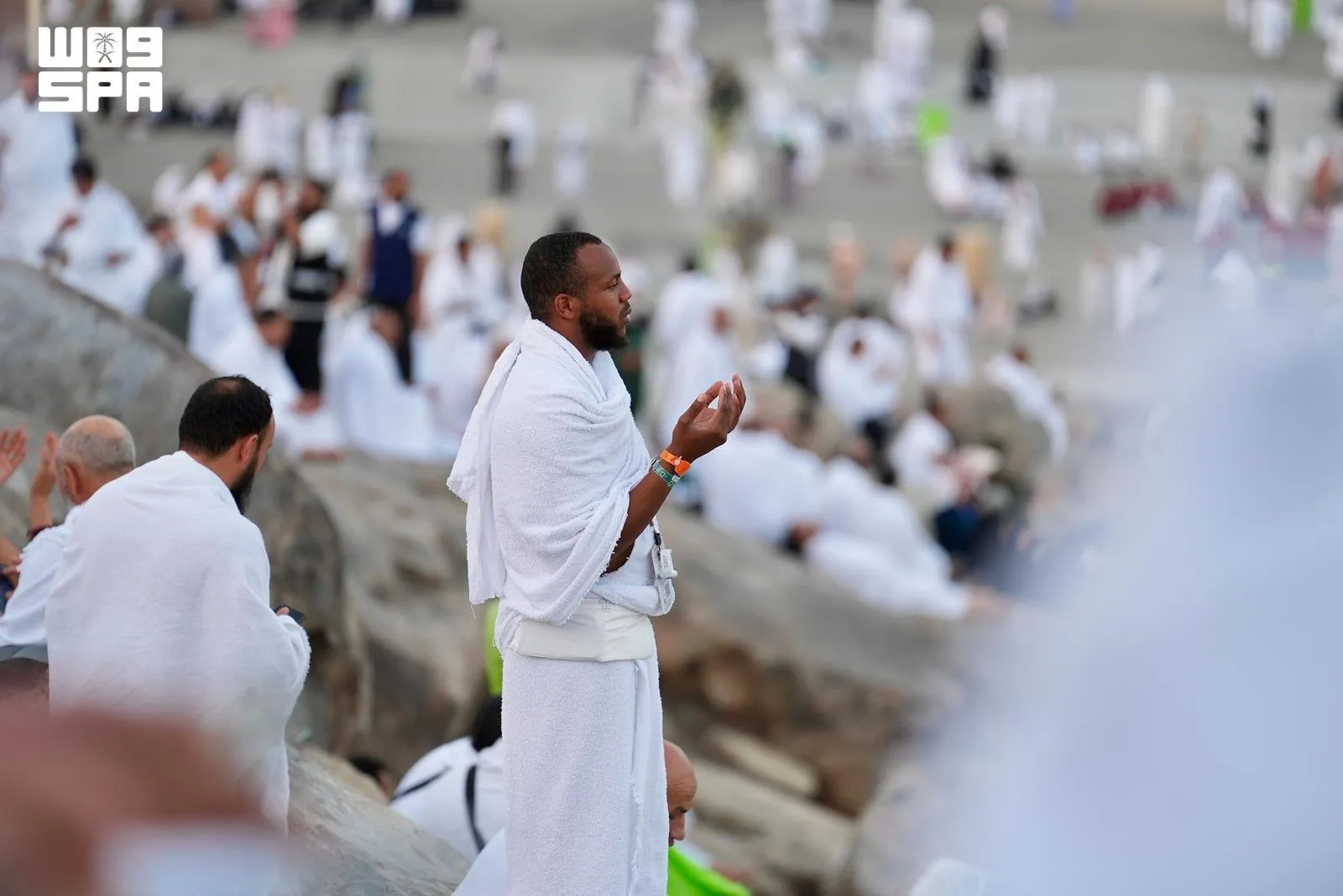
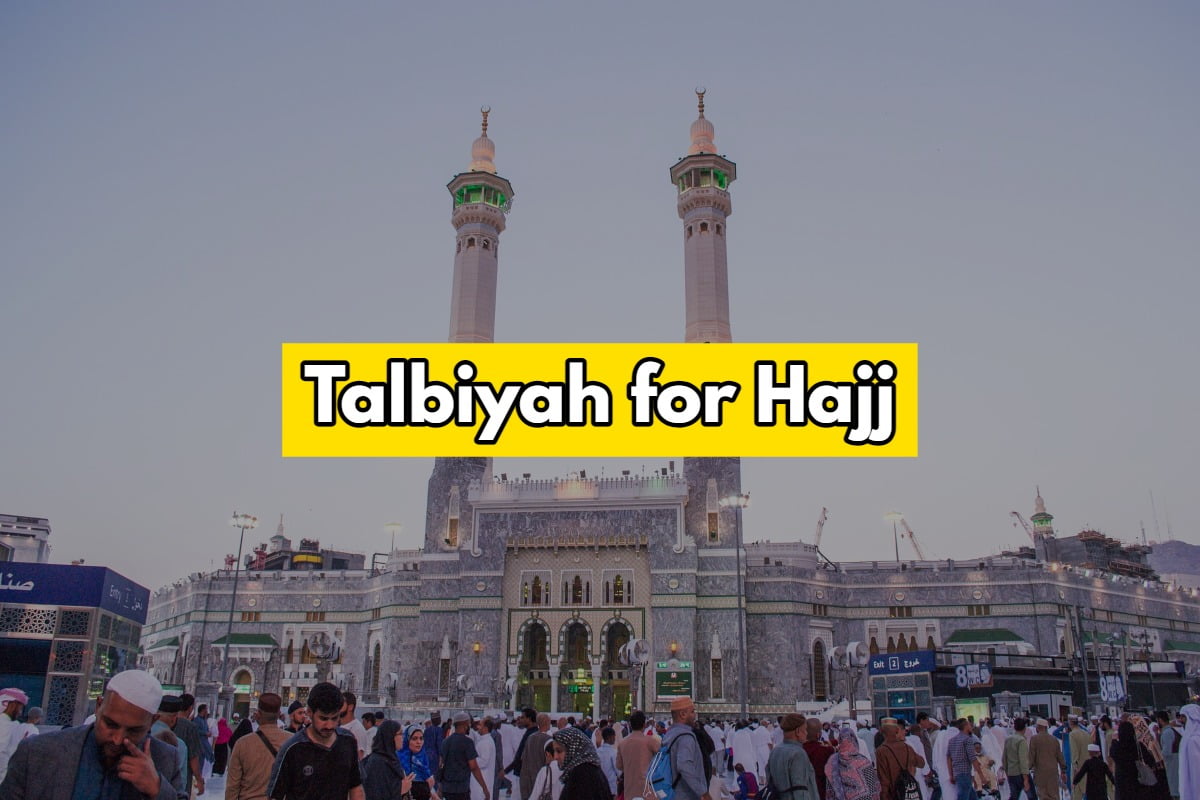
- Hajj — Pilgrimage that manifests unity and spiritual renewal.
3. Moral and Ethical Conduct
Islamic ethics emphasise virtues: honesty, justice, compassion, humility and respect. The Prophet’s saying that “the best among you are those with the best manners” underscores the importance of character. Ethical behaviour governs both public and private life, from business dealings to family relations.
4. Family and Social System
Family is central in Islam. Marriage, parental rights and responsibilities, and child upbringing are given priority. Social solidarity — through neighbourly rights, mutual support networks, and community rituals — strengthens societal bonds and reduces social alienation.
5. Economic Principles
Islamic economics aim at fairness and welfare. Key principles include the prohibition of riba (usury) to prevent exploitation, encouragement of ethical trade, and the institutionalised redistribution of wealth through Zakat and voluntary charity. These mechanisms are designed to limit extreme inequality and provide a safety net for the vulnerable.
6. Governance, Law and Justice
Islam emphasises justice, consultation (Shura), and accountability. The legal framework protects fundamental rights — life, property, family, intellect and faith — and aims to administer fair, proportionate remedies where harms occur.
7. Balance and Moderation
The Qur’an and Prophetic tradition repeatedly call for moderation (wasatiyyah) — avoiding extremes in belief and practice. A balanced life integrates spiritual commitments with constructive participation in society.
Conclusion
The Islamic way of life is not merely ritual — it is a comprehensive blueprint for personal conduct and social organisation. When practiced with sincerity and wisdom, it seeks to promote peace, justice and compassion for individuals and communities alike.
Nayi Soch News-e-Hub से और जानें
नवीनतम पोस्ट अपने ईमेल पर प्राप्त करने के लिए सदस्यता लें।



![Far Away [Part 19] – An Apple For Belly](https://imranjalna.com/wp-content/uploads/mcp-images/mcp-925a94580019.webp "Far Away Part 19 An Apple For Belly - Nayi Soch News-e-Hub")



![Far Away [Part 20] – Among the Afghans](https://imranjalna.com/wp-content/uploads/mcp-images/mcp-4264bb9f5dfa.jpg "Far Away Part 20 Among the Afghans - Nayi Soch News-e-Hub")
![Far Away [Part 21] – Opium](https://imranjalna.com/wp-content/uploads/mcp-images/mcp-a4faff58bd1b.jpg "Far Away Part 21 Opium - Nayi Soch News-e-Hub")

















Leave a Reply