

JEDDAH: The Organisation of Islamic Cooperation and Saudi Arabia’s King Salman Global Academy for Arabic Language have organised a specialised virtual training programme focused on language skills and digital content creation.
The programme, titled “Language Skills for Content Creation,” ran from September 30 to October 1 and forms part of broader efforts to strengthen Arabic-language communication across OIC member states.
What the course focused on
According to the OIC, the training covered content creation, modern digital marketing, linguistic editing, creative writing and professional content organisation.
The programme aimed to improve the ability of participants to produce accurate, engaging Arabic material for contemporary media and digital platforms.
Why Arabic digital content matters
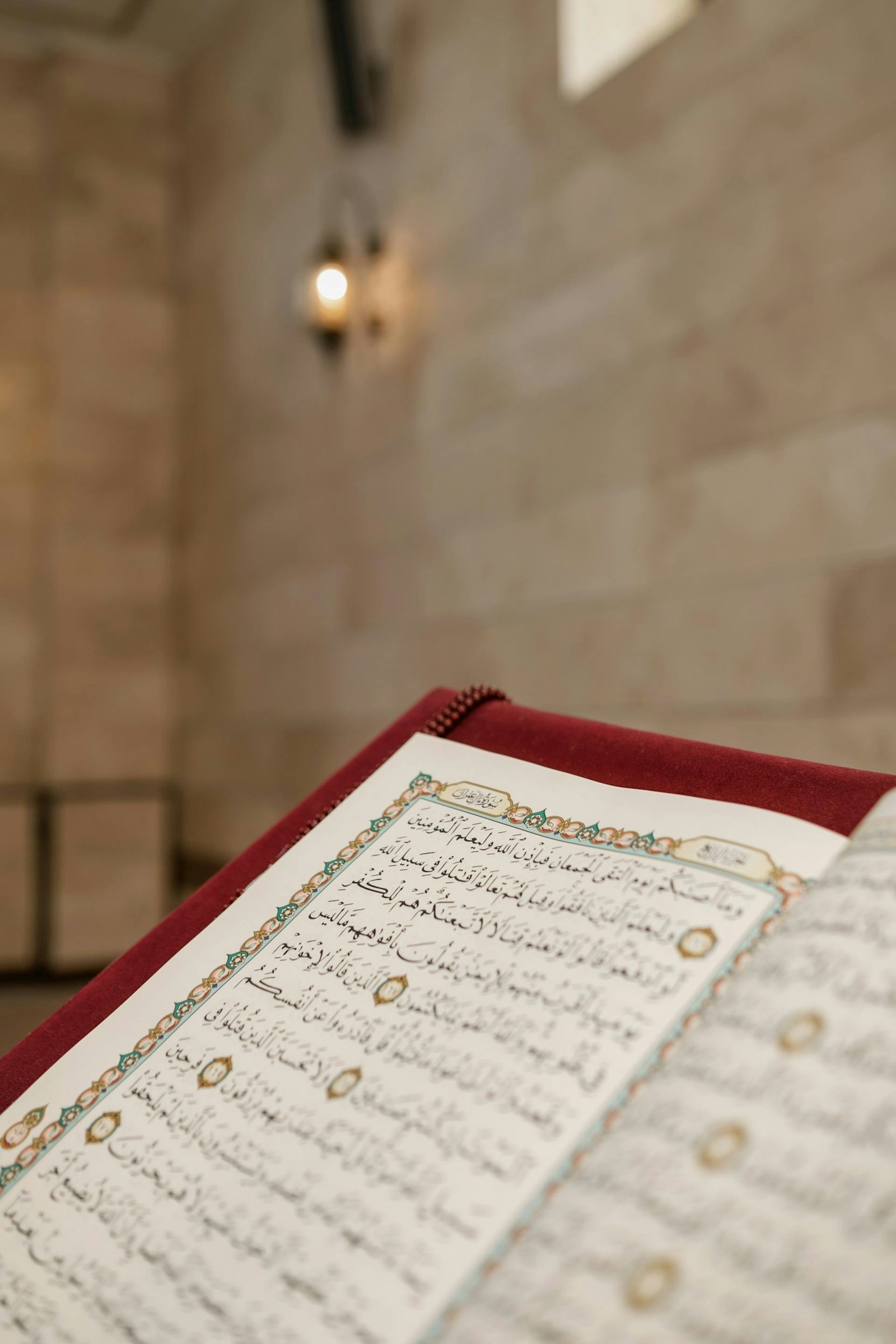
Arabic is spoken across a vast region and is the language of the Qur’an, giving it unique cultural and religious significance across the Muslim world. Yet the quality and availability of Arabic digital resources can vary significantly by subject and platform.
Training editors and creators can improve not only the quantity of content but also its clarity, accuracy and usefulness.
From classical heritage to modern platforms
Arabic has an enormous literary, religious and scholarly heritage. Today, however, much public communication happens through search engines, short-form video, social networks, podcasts and AI-powered tools.
The challenge is to adapt strong language standards to these newer formats without losing accuracy or cultural depth.
Editing in the age of AI
Generative AI can produce Arabic text quickly, but automated output may contain factual errors, awkward phrasing or invented references. Human editors therefore remain essential.
Language training can help creators evaluate machine-generated text rather than simply publishing it unchecked.
Combating low-quality information
Professional editing is also connected to the fight against misinformation. Clear sourcing, careful wording and distinction between fact and opinion make digital content more trustworthy.
This is particularly important for religious and cultural subjects, where mistranslation or inaccurate quotation can spread rapidly.
A continuing OIC partnership
The OIC said the course is part of an ongoing partnership with the King Salman Global Academy for Arabic Language that has produced multiple programmes aimed at building skills and strengthening Arabic.
The Academy itself works across research, terminology, technology and language development, positioning Arabic-language capacity as both a cultural and digital priority.
Opportunities for young Muslim creators
Better Arabic content skills can support journalism, education, entrepreneurship, Islamic studies and cultural preservation. Related: Arabic teaching programme at Masjid al-Haram and Masjid an-Nabawi. For younger creators, professional writing and editing are increasingly linked with employability in digital media.
What comes next
The long-term value of such programmes will depend on whether participants turn training into higher-quality publications, educational resources and digital projects. In an online environment flooded with rapidly generated material, reliable language and careful editing may become more valuable, not less.
Arabic content has a scale problem and a quality opportunity
Hundreds of millions of people use Arabic, yet online knowledge is unevenly distributed across subjects and dialects. Some fields have extensive Arabic resources while others depend heavily on translated English material. Building stronger original Arabic content can improve access to education, science, culture and public information.
Creators now need multiple skills
Modern content work combines writing with search optimisation, video scripts, social media, fact-checking, visual presentation and audience analysis. A creator may move from a long article to a short video caption and then to a newsletter on the same day. Language quality has to survive all of those formats.
The OIC course’s combination of editing, creative writing and digital marketing reflects that reality. Good Arabic is necessary, but creators also need to understand how digital audiences discover and consume information.
AI makes editorial judgment more important
Generative AI can help brainstorm, translate or draft, but fluent language can hide factual errors. Arabic religious content is particularly sensitive because a fabricated quotation, incorrect Qur’anic reference or mistranslated legal term can spread rapidly.
Professional creators should therefore verify names, dates, quotations and sources before publication. AI output should be treated as material to edit and check, not as an authority.
Standard Arabic and local audiences
Another challenge is choosing between Modern Standard Arabic and dialect. Formal news, education and institutional communication often use Standard Arabic, while social platforms may favour local speech. Skilled creators need to choose language based on audience and purpose without sacrificing clarity.
Why this matters to the wider Muslim world
Arabic is not the first language of most Muslims, but it has unique religious importance because of the Qur’an and classical Islamic scholarship. Better digital Arabic resources can therefore support both native speakers and learners across Africa, Asia, Europe and the Americas.
From training to measurable results
The success of programmes like this should eventually be visible in better articles, educational resources, terminology databases and digital projects. Partnerships between language institutions and international organisations can also help establish standards for editing and responsible AI-assisted content creation.
Digital publishing also creates economic opportunity
High-quality Arabic content is not only a cultural project. It can support jobs in journalism, education technology, translation, marketing, publishing and software. Stronger language tools can also help businesses communicate with Arabic-speaking customers across multiple markets.
For creators, credibility can become a competitive advantage as AI makes low-cost content abundant. Writers who consistently verify sources, edit carefully and understand their audience may stand out precisely because readers can trust them. Training programmes that combine language and digital skills are therefore connected to both cultural preservation and future employment.
Sources: Organisation of Islamic Cooperation; King Salman Global Academy for Arabic Language.
Discover more from ImranJalna
नवीनतम पोस्ट अपने ईमेल पर प्राप्त करने के लिए सदस्यता लें।


Leave a Reply